
Two high-end bicycles, stolen from a Chiswick bike shed, have surfaced for sale in Russia, highlighting a worrying trend of organised bicycle thefts.
#
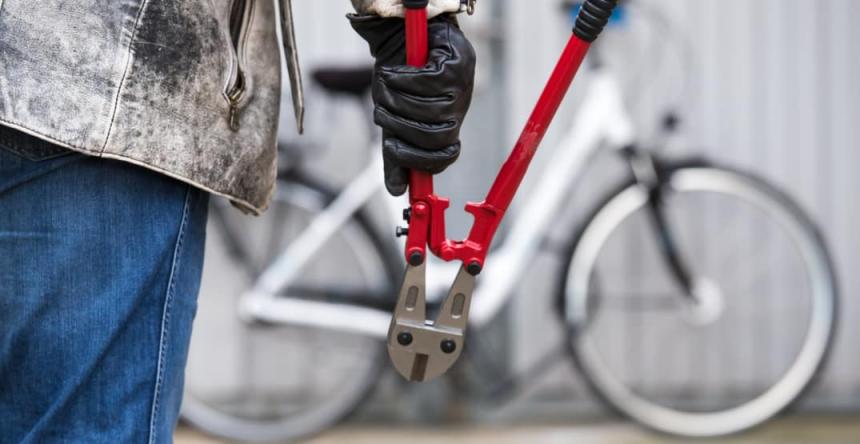
The thieves bypassed the heavy-duty locks by cutting through the metal hasps, leaving the locks intact. A nearby resident experienced a similar theft shortly after.
The police were informed, and a crime reference number was issued, but no further action was taken, and the case was closed. A month later, the owner received a tip via social media, linking to a Russian website where the bikes were listed for sale, described as being located in Belarus with delivery available to Moscow.
The owner confirmed the bikes' identity, noting their custom build, which made them unique. The incident underscores a broader issue of organised crime targeting expensive bicycles in London. Reports have emerged of moped gangs ambushing cyclists, particularly near Regent's Park, during early morning hours when the park is less crowded.
Victims have recounted being forced off their bikes, with thieves indicating the bikes were "on the list," suggesting thefts are premeditated and possibly commissioned.
Statistics from the Clean Cities Campaign reveal that approximately 20,000 bicycles are reported stolen annually in London, equating to over 50 thefts daily. This alarming figure reflects a significant challenge for law enforcement and cyclists alike. The rise in thefts has prompted calls for increased police presence and more robust security measures.
The theft of bicycles is not a new phenomenon, but the sophistication and organisation of recent thefts suggest a shift towards more professional operations. The use of technology, such as AirTags, has provided some owners with a means to track their stolen property, but it also highlights the limitations of current security measures. AirTags, while useful, can be easily removed or disabled, as seen in this case.
To combat this growing issue, cyclists are advised to invest in high-quality locks and consider using multiple locking mechanisms to secure their bikes. Additionally, registering bicycles with national databases can aid in recovery efforts. Cyclists should also be vigilant about where they park their bikes, opting for well-lit, busy areas whenever possible.
The broader implications of these thefts extend beyond individual losses. The rise in bicycle thefts can deter people from cycling, impacting efforts to promote sustainable transportation. Cycling is a key component of London's strategy to reduce traffic congestion and pollution, and the theft of bicycles undermines these goals.
Authorities are urged to take a more proactive approach in addressing bicycle thefts. This includes increasing patrols in known hotspots, improving surveillance, and working with international partners to track and recover stolen bicycles that are trafficked abroad. Public awareness campaigns can also play a role in educating cyclists about the risks and prevention strategies.
The community's response to these thefts has been one of solidarity and support. Social media has become a powerful tool for sharing information and tips, as demonstrated by the owner's experience. Cyclists are encouraged to report thefts promptly and share details within their networks to increase the chances of recovery.
Crime
Bicycle Theft: Stolen Chiswick Bikes Found in Russia
Two high-end bicycles, stolen from a Chiswick bike shed, have surfaced for sale in Russia, highlighting a worrying trend of organised bicycle thefts.



Comments (0)
You must be logged in to post comments.
Don't have an account? Register here
No comments yet. Be the first to share your thoughts!