
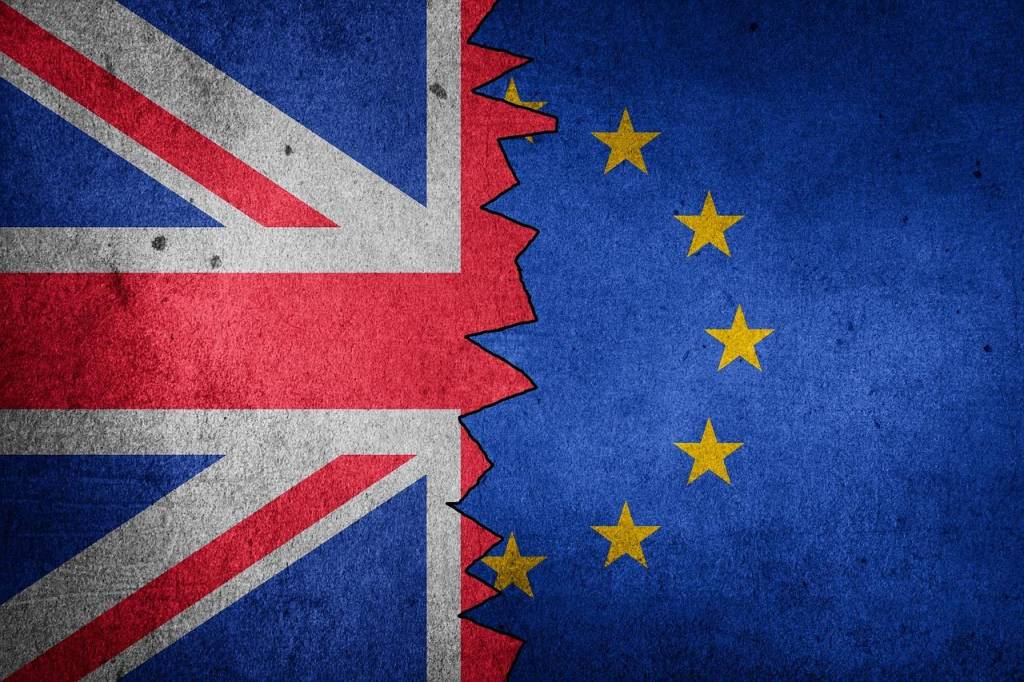
Brexit has reshaped the landscape for import-export businesses in Chiswick, introducing new regulations that impact operations, costs, and market access. Companies face challenges with customs procedures, tariffs, and compliance, necessitating strategic adjustments to maintain competitiveness and ensure smooth cross-border trade.
Navigating New Customs Procedures.
Since Brexit, Chiswick's import-export businesses have had to adapt to a new set of customs procedures. The UK’s departure from the EU single market and customs union means that goods moving between the UK and EU are now subject to customs checks. This has resulted in increased paperwork and longer processing times at borders. Businesses must now complete customs declarations for each shipment, a task that was previously unnecessary when trading within the EU.
To manage these changes, many companies have invested in training staff or hiring customs brokers to handle the additional administrative burden. This has led to increased operational costs, which can be particularly challenging for small and medium-sized enterprises (SMEs) that may not have the resources of larger corporations. Moreover, delays at borders can disrupt supply chains, affecting delivery schedules and customer satisfaction.
Understanding Financial Implications.
Another significant impact of Brexit on Chiswick's import-export businesses is the introduction of tariffs on certain goods. While the UK-EU Trade and Cooperation Agreement (TCA) allows for tariff-free trade on many goods, not all products qualify. Businesses must ensure their products meet the rules of origin requirements to benefit from tariff exemptions. This involves proving that a certain percentage of a product's components are sourced from within the UK or EU.
Failure to comply with these requirements can result in unexpected tariffs, increasing the cost of goods sold and potentially making them less competitive in the market. Companies need to conduct thorough reviews of their supply chains to identify any areas where they might incur additional costs due to tariffs. This strategic assessment is crucial for maintaining profitability in a post-Brexit trading environment.
Meeting New Regulatory Demands.
Brexit has also brought changes in regulatory standards that affect import-export businesses in Chiswick. The UK now sets its own product standards, which may differ from those in the EU. Companies exporting goods to the EU must ensure their products comply with EU regulations, while imports into the UK must meet British standards.
This dual compliance requirement can be complex and costly, as businesses may need to modify products or packaging to meet different regulatory criteria. Additionally, companies must stay informed about any changes in regulations on both sides of the Channel to avoid potential penalties or disruptions in trade.
Embracing New Opportunities.
Despite these challenges, Brexit also presents opportunities for Chiswick's import-export businesses. The UK government is actively pursuing trade agreements with non-EU countries, potentially opening new markets for local businesses. Companies that can adapt quickly and strategically may find new avenues for growth outside traditional EU markets.
Businesses are encouraged to explore these opportunities by conducting market research and building relationships with potential partners in new regions. Diversifying export destinations can help mitigate risks associated with reliance on EU markets and provide a buffer against future regulatory changes.
Leveraging Available Assistance.
To navigate the complexities of post-Brexit trade, Chiswick businesses can access various support resources. Government initiatives offer guidance on customs procedures, tariffs, and compliance requirements. Local business associations also provide networking opportunities and share best practices for adapting to the new trading environment.
Engaging with these resources can help businesses stay informed about regulatory changes and develop strategies to overcome challenges. By leveraging available support, companies can enhance their resilience and competitiveness in a rapidly evolving market landscape.
Preparing for Future Developments.
As Brexit continues to unfold, Chiswick's import-export businesses must remain vigilant and adaptable. Ongoing negotiations between the UK and EU may lead to further changes in trade regulations, requiring businesses to stay informed and prepared for potential shifts in policy.
Companies should prioritise flexibility in their operations, investing in technology and training that enable them to respond swiftly to new developments. By fostering a culture of adaptability and innovation, businesses can not only survive but thrive in the post-Brexit era.
In this dynamic environment, Chiswick's import-export sector has an opportunity to redefine its role in the global market. By embracing change and seeking out new opportunities, businesses can position themselves for success in a world where international trade is increasingly complex yet full of potential.
Business
Brexit Regulations Challenge Chiswick Import-Export Businesses Competitiveness
Brexit has reshaped the landscape for import-export businesses in Chiswick, introducing new regulations that impact operations, costs, and market access.




Comments (0)
You must be logged in to post comments.
Don't have an account? Register here
No comments yet. Be the first to share your thoughts!