
The Evolution of Chiswick’s Conservation Areas.
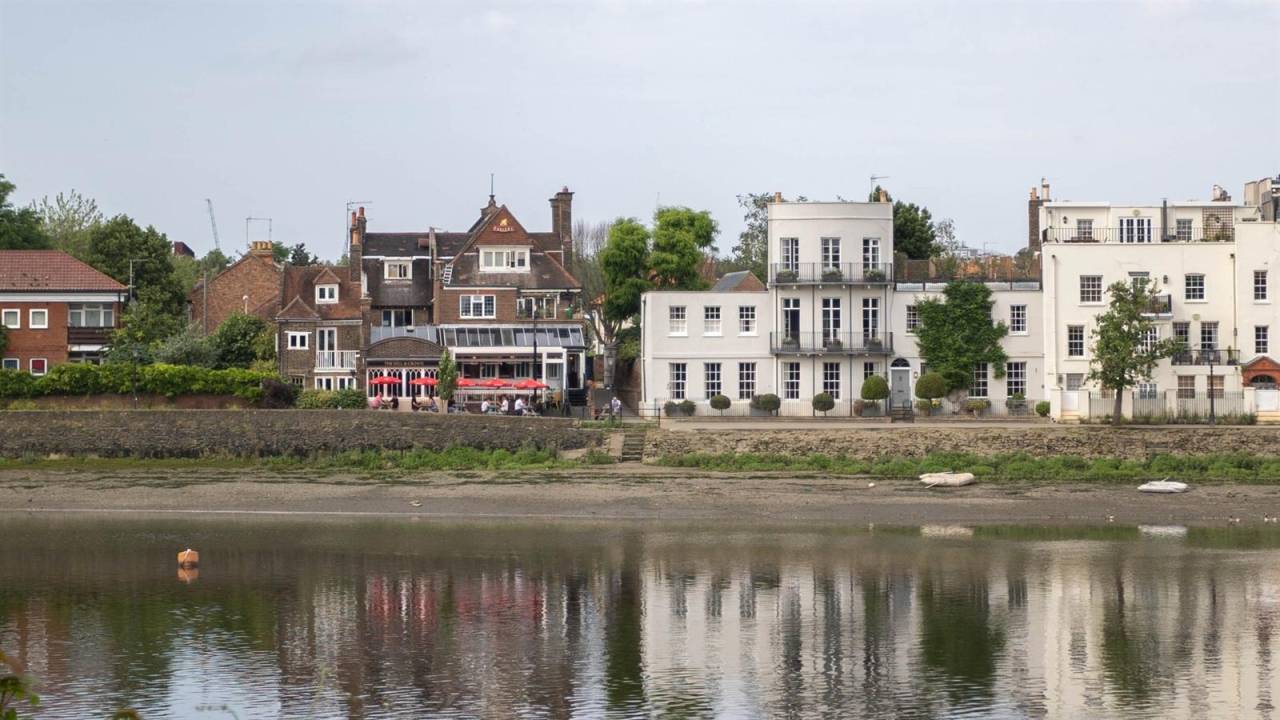
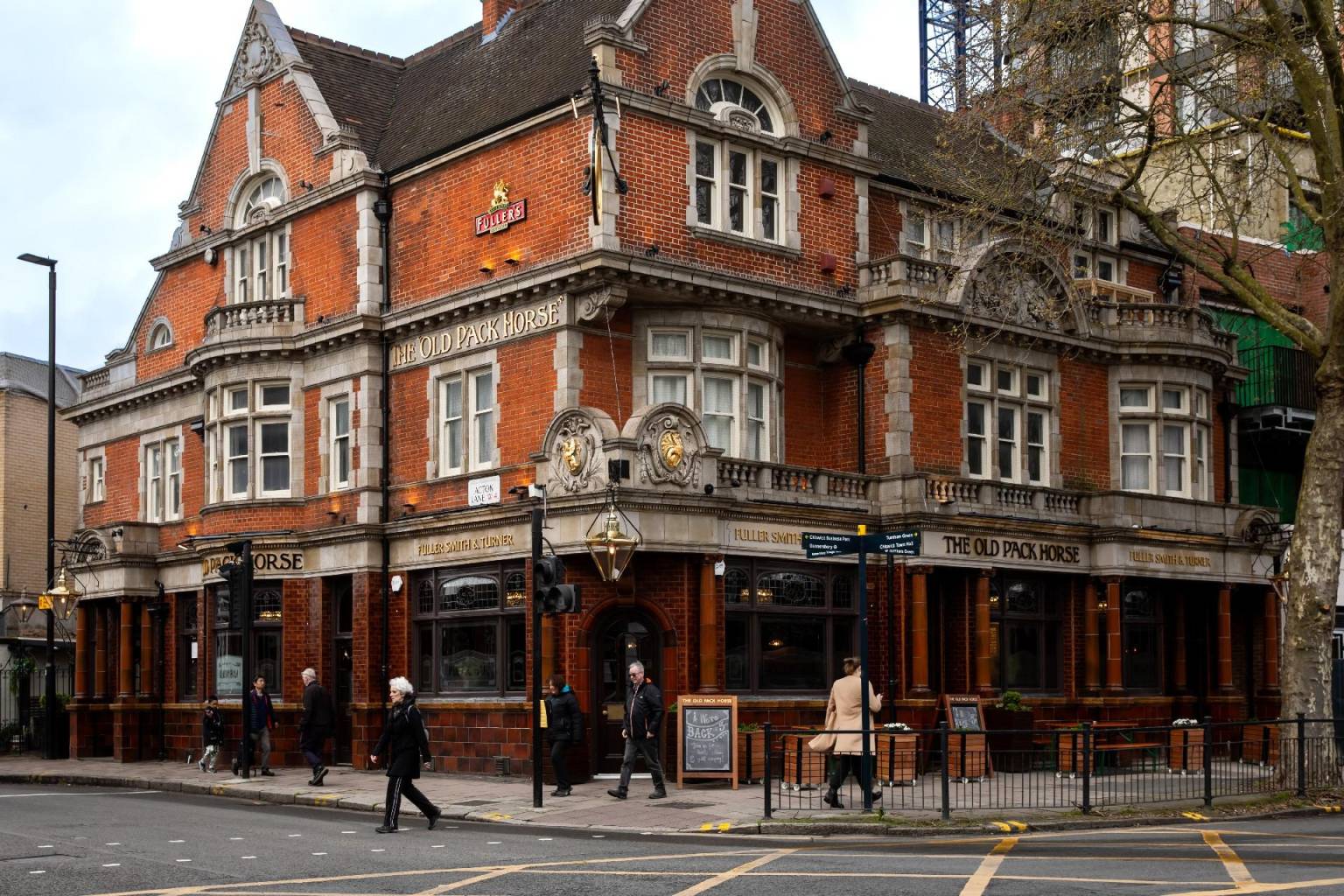
Chiswick's conservation areas have evolved significantly, preserving its unique architectural heritage while accommodating modern needs. These areas protect historic buildings and green spaces, ensuring that development respects the area's character. This balance between preservation and progress is crucial for maintaining Chiswick's charm and appeal.
Origins of Conservation Efforts.
The concept of conservation areas in Chiswick emerged in response to the rapid urbanisation of the 20th century. As London expanded, there was a growing concern about the loss of historical architecture and green spaces. In the 1960s, the Civic Amenities Act was introduced, allowing local authorities to designate conservation areas. Chiswick was quick to recognise the importance of this legislation, identifying key areas that required protection to maintain their historical and aesthetic value.
The first conservation areas in Chiswick were designated in the early 1970s. These initial efforts focused on protecting the most historically significant parts of the district, including areas with Georgian and Victorian architecture. The aim was to preserve the unique character of these neighbourhoods while allowing for sympathetic development that would not detract from their historical significance.
Balancing Preservation and Progress.
The development of Chiswick’s conservation areas has always been a balancing act between preserving the past and accommodating the future. Local authorities have implemented strict guidelines to ensure that any new development within these areas is in keeping with the existing architectural style. This includes regulations on building materials, design features, and even the colour palette used for external finishes.
One of the key strategies employed is the use of Article 4 Directions. These legal tools remove certain permitted development rights, meaning that property owners must seek planning permission for changes that would otherwise be allowed. This ensures that any alterations are carefully considered and do not compromise the area's character.
Moreover, public consultations have played a vital role in shaping development strategies. Residents are encouraged to participate in discussions about proposed changes, ensuring that local voices are heard and that developments reflect community values. This collaborative approach has been instrumental in maintaining Chiswick's unique identity while allowing for necessary growth.
Navigating Modern Demands.
Despite the successes, managing conservation areas in Chiswick is not without its challenges. One of the primary issues is the pressure to accommodate an increasing population while maintaining the area's character. This has led to debates about the height and density of new developments, with some arguing for taller buildings to maximise space, while others advocate for maintaining traditional building heights.
Another challenge is the need for sustainable development. As environmental concerns become more pressing, there is a growing demand for eco-friendly building practices within conservation areas. This includes using sustainable materials, improving energy efficiency, and incorporating green technologies. Balancing these modern demands with historical preservation requires innovative solutions and forward-thinking policies.
However, these challenges also present opportunities. The focus on sustainability has led to creative architectural solutions that blend modern technology with traditional design. Additionally, the emphasis on community involvement has strengthened local engagement and fostered a sense of pride in preserving Chiswick's heritage.
Looking Ahead.
As Chiswick continues to evolve, its conservation areas will play a crucial role in shaping its future. The ongoing challenge will be to maintain the delicate balance between preserving historical character and accommodating modern needs. This will require continued collaboration between local authorities, residents, and developers to ensure that any changes enhance rather than detract from the area's unique charm.
Emerging trends such as smart city technologies and green infrastructure offer exciting possibilities for integrating modern amenities into conservation areas without compromising their integrity. By embracing these innovations, Chiswick can continue to thrive as a vibrant community that honours its past while looking towards the future.
Ultimately, the development of Chiswick’s conservation areas is a testament to the community's commitment to preserving its heritage while embracing progress. Through careful planning and active participation, Chiswick can ensure that its conservation areas remain a cherished part of its identity for generations to come.
Chiswick History
Chiswick’s Conservation Areas - Balancing Heritage and Modern Development
Chiswick's conservation areas have evolved significantly, preserving its unique architectural heritage while accommodating modern needs. These areas protect historic buildings and green spaces, ensuring that development respects the area's character.


Comments (0)
You must be logged in to post comments.
Don't have an account? Register here
No comments yet. Be the first to share your thoughts!