
The Industrial Revolution's Influence on Chiswick.
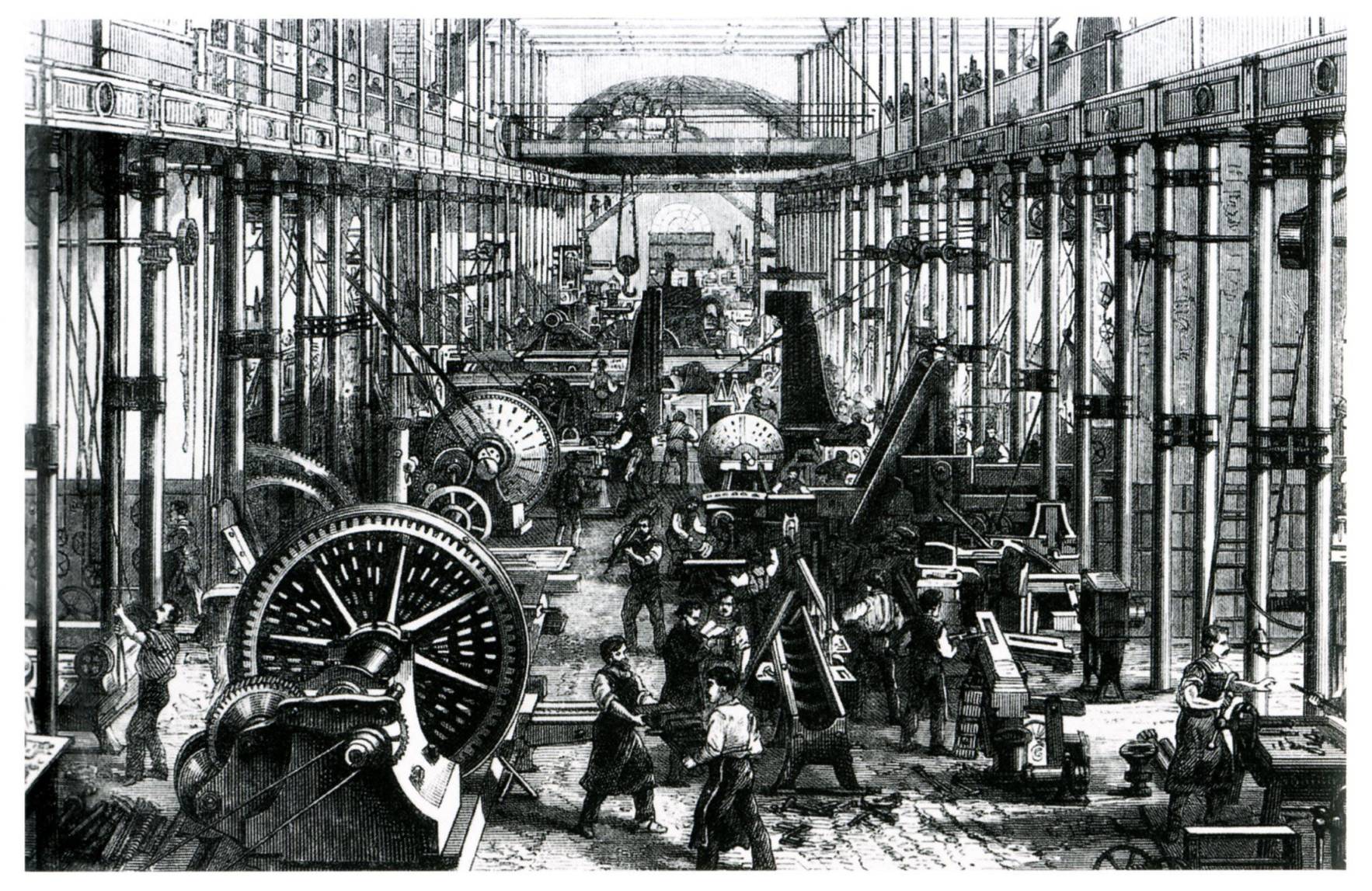
The Industrial Revolution transformed Chiswick from a rural village into a bustling suburb. With the advent of new technologies and industries, the area saw significant changes in its social, economic, and physical landscape. This period marked a shift from agriculture to industry, impacting the lives of its residents and shaping its future.
Chiswick Before the Revolution.
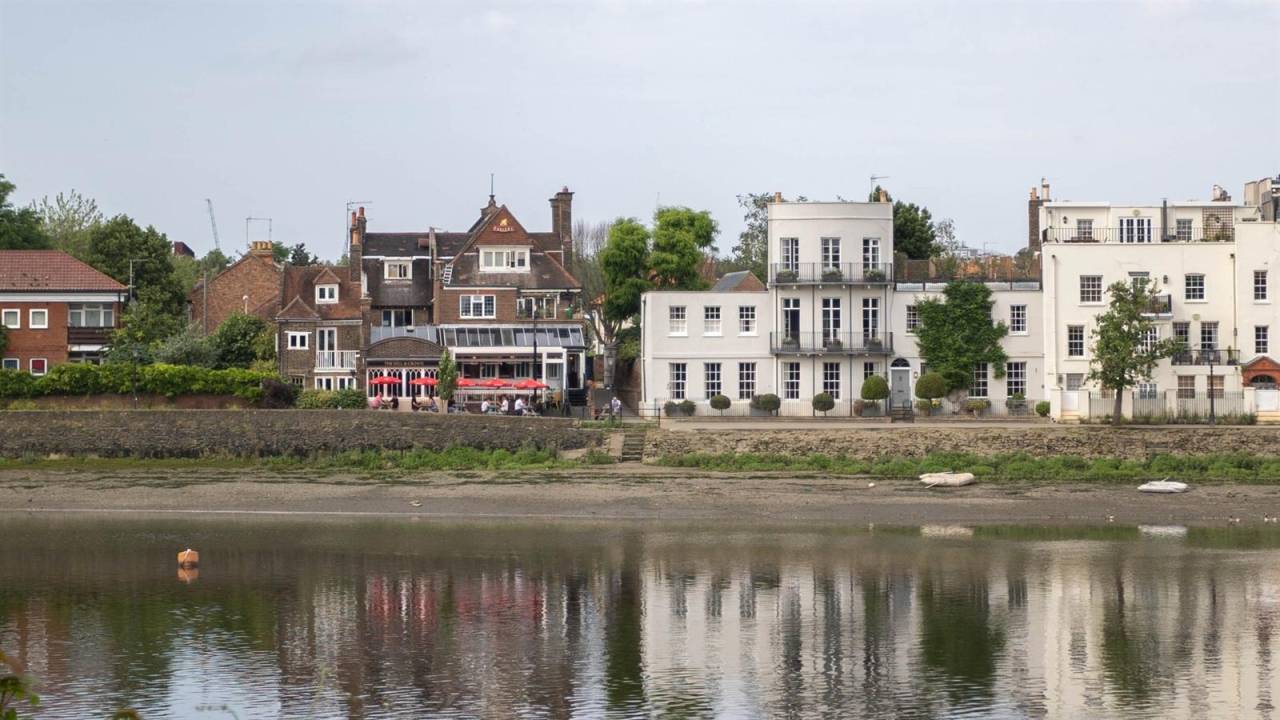
Before the Industrial Revolution, Chiswick was primarily an agricultural community. Its proximity to the River Thames made it ideal for market gardening, supplying fresh produce to London. The village was characterised by open fields and small farms, with a population that relied heavily on agriculture and local trade. The peaceful rural setting began to change as industrialisation took hold in the late 18th century.
From Agriculture to Industry.
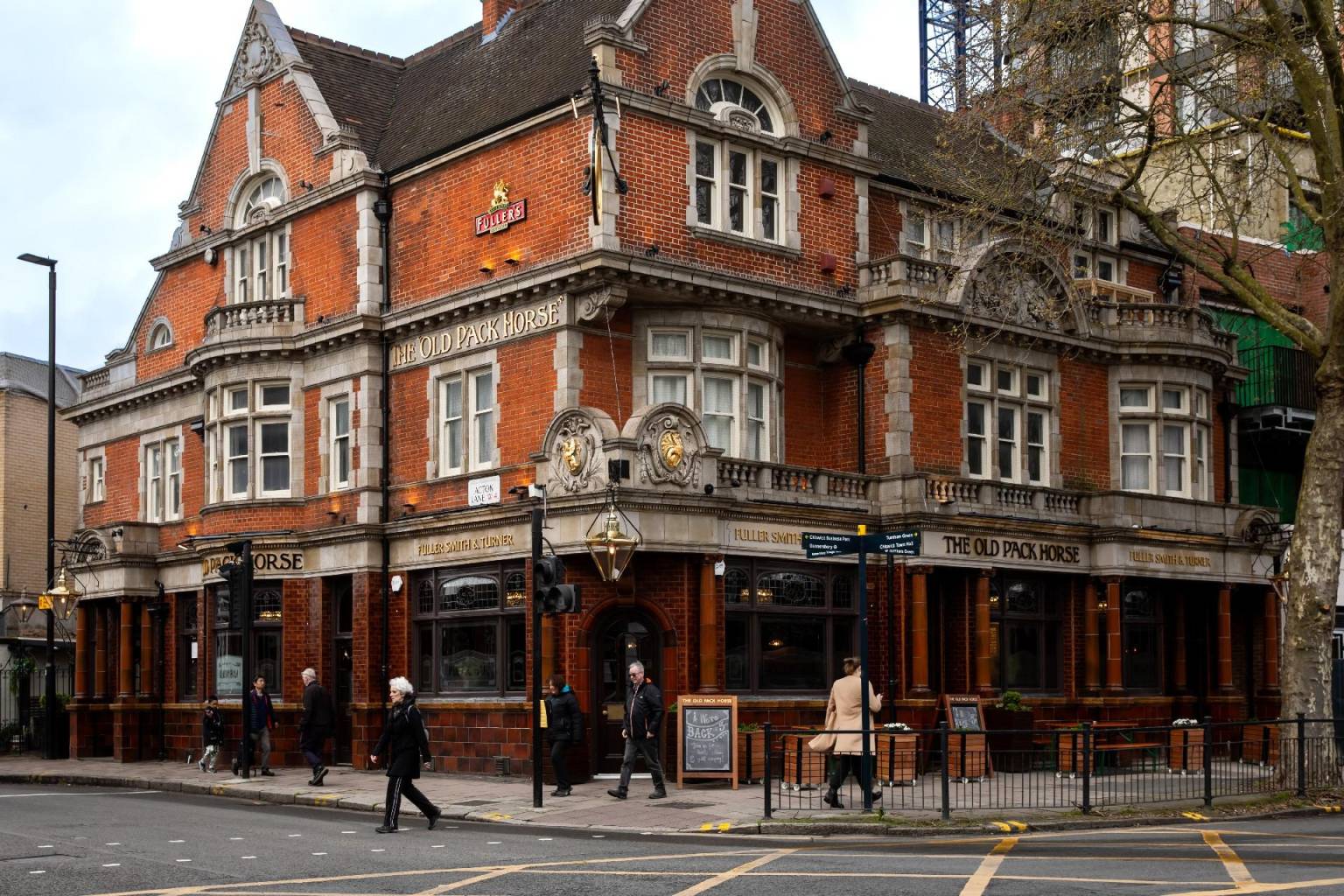
The Industrial Revolution brought about a dramatic economic transformation in Chiswick. The introduction of factories and new manufacturing processes led to a decline in traditional farming activities. Industries such as brewing, pottery, and brick-making became prominent, providing employment opportunities for the local population. The Fuller’s Brewery, established in 1845, is one notable example of an industry that thrived during this period and continues to be a significant employer in the area.
The construction of the Great Western Railway further accelerated economic growth by improving connectivity with London and other industrial centres. This development facilitated the movement of goods and people, making Chiswick an attractive location for businesses and workers alike. As a result, the local economy diversified, reducing its reliance on agriculture.
Changing Demographics and Urbanisation.
The shift from a rural to an industrial economy had profound social implications for Chiswick. The population grew rapidly as people moved from rural areas seeking employment in the burgeoning industries. This influx of workers led to increased demand for housing, prompting the development of new residential areas. Victorian terraced houses began to replace traditional cottages, altering the architectural landscape of Chiswick.
The rise in population also brought about changes in social dynamics. The community became more diverse, with people from different backgrounds and regions settling in the area. This diversity enriched the cultural fabric of Chiswick but also posed challenges in terms of social cohesion and infrastructure development.
Roads, Railways, and Housing.
The Industrial Revolution necessitated significant infrastructure development in Chiswick. The expansion of road networks facilitated better access to London and surrounding areas, promoting trade and commerce. The construction of the Great Western Railway was particularly influential, as it connected Chiswick to major industrial hubs, enhancing its appeal as a residential suburb for London workers.
Housing development was another critical aspect of this transformation. To accommodate the growing population, new housing estates were built, featuring modern amenities that were previously unavailable in rural settings. These developments not only provided much-needed accommodation but also improved living standards for many residents.
Challenges and Adaptations.
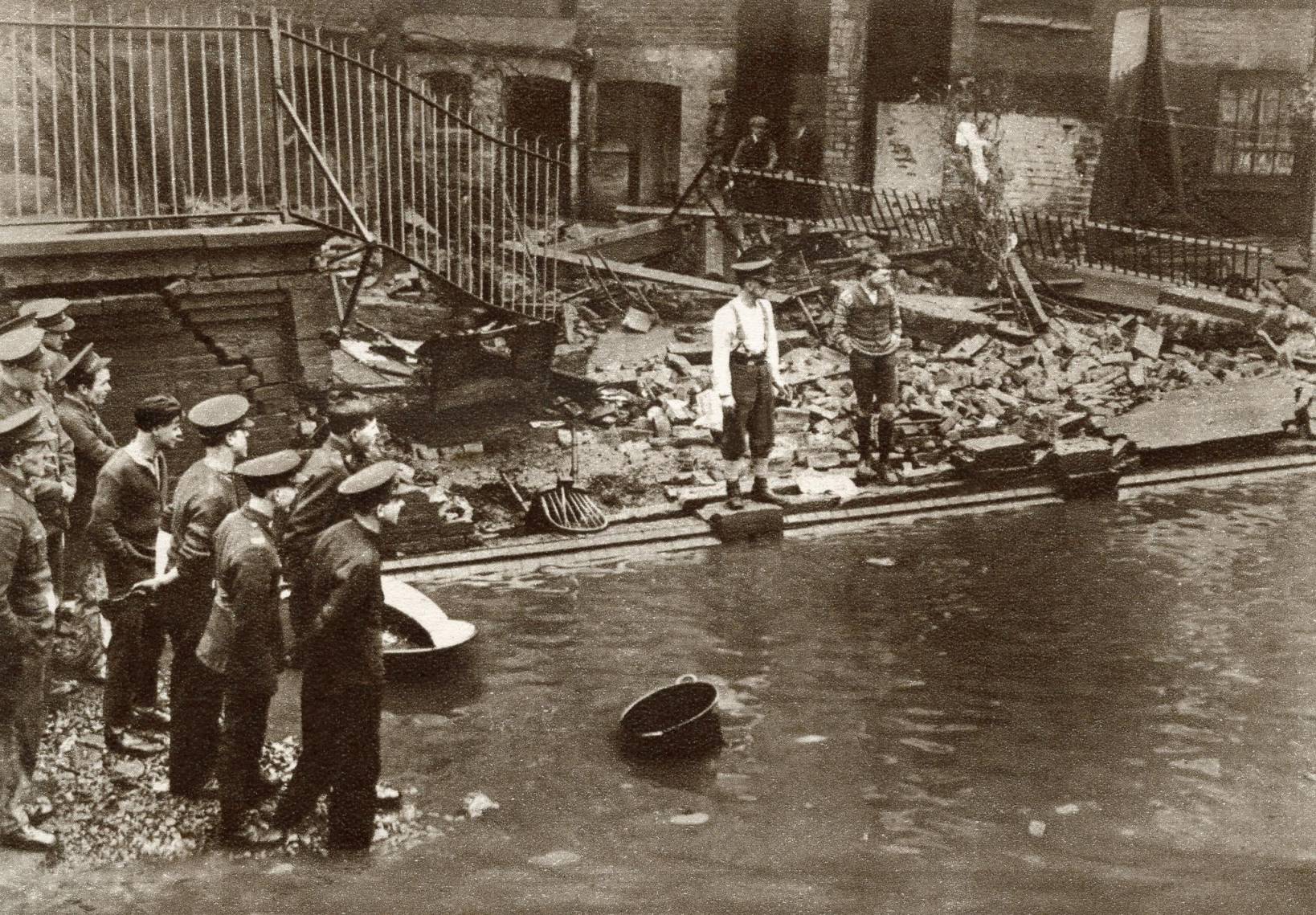
While the Industrial Revolution brought economic prosperity to Chiswick, it also posed environmental challenges. The increase in industrial activity led to pollution of the air and water, affecting both human health and local ecosystems. The River Thames, once a vital resource for agriculture and trade, became increasingly polluted due to industrial waste.
In response to these challenges, efforts were made to mitigate environmental damage. Regulations were introduced to control pollution levels, and initiatives were launched to clean up the river and surrounding areas. These measures helped improve environmental conditions over time, although some issues persisted well into the 20th century.
A Suburb Shaped by Industry.
Today, Chiswick stands as a vibrant suburb that reflects its industrial past while embracing modernity. The legacy of the Industrial Revolution is evident in its diverse economy, architectural heritage, and cultural richness. Former industrial sites have been repurposed into residential and commercial spaces, blending historical elements with contemporary design.
Chiswick's transformation during the Industrial Revolution laid the foundation for its current status as a desirable place to live and work. Its strategic location, combined with a rich history and strong community spirit, continues to attract residents and businesses alike.
The impact of the Industrial Revolution on Chiswick is a testament to the area's resilience and adaptability. By understanding this historical context, residents can appreciate how past developments have shaped their community and continue to influence its future trajectory.
Chiswick History
Chiswick Transformed - Industrial Revolutions Lasting Impact on a Suburb
The Industrial Revolution's Influence on Chiswick. The Industrial Revolution transformed Chiswick from a rural village into a bustling suburb. With the advent of new technologies and industries, the area saw significant changes in its social, economic, and physical landscape.


Comments (0)
You must be logged in to post comments.
Don't have an account? Register here
No comments yet. Be the first to share your thoughts!