
The Evolution of Education in Chiswick.
Chiswick's educational landscape has transformed remarkably over the centuries, evolving from humble charity schools to sophisticated modern institutions. This journey reflects broader societal changes and highlights the community's commitment to providing quality education. By examining this history, one gains insight into how past efforts have shaped today's educational opportunities.
Charity Schools and Their Role.
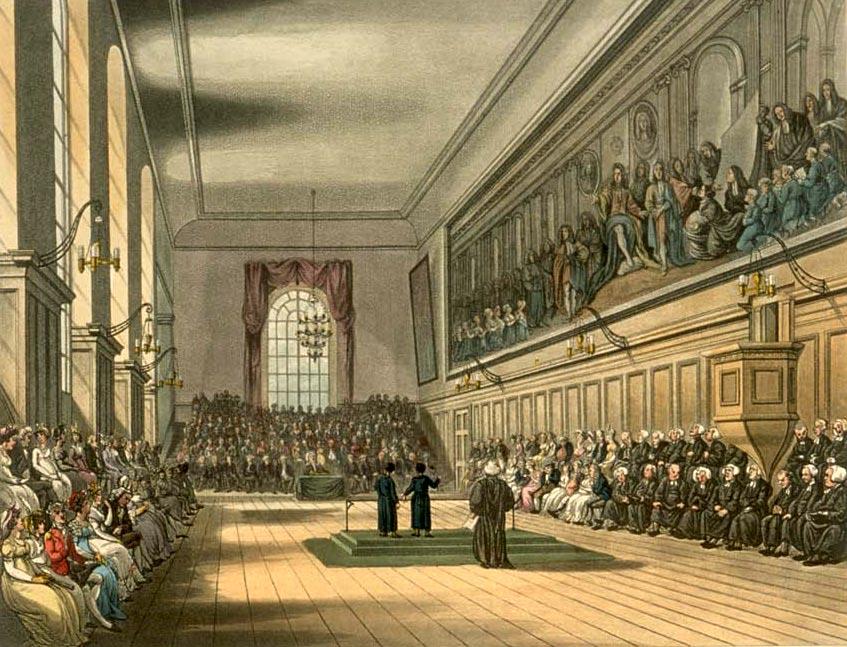
In the 18th century, education in Chiswick was largely the domain of charity schools. These institutions were established to provide basic education to the children of poor families, often funded by local benefactors and religious organisations. The curriculum typically included reading, writing, arithmetic, and religious instruction. Charity schools played a crucial role in laying the foundation for accessible education, ensuring that even those from disadvantaged backgrounds could acquire essential skills.
One notable example was the establishment of the Chiswick Charity School in 1707. This school was among the first to offer free education to local children, setting a precedent for future educational endeavours. The school's success demonstrated the community's willingness to invest in its youth, fostering a culture of learning that would continue to grow.
THE 19TH CENTURY: Expansion and Reform.
The 19th century brought significant changes to Chiswick's educational system. The Industrial Revolution and subsequent urbanisation increased the demand for educated workers, prompting reforms that expanded access to education. The Elementary Education Act of 1870 marked a turning point, mandating compulsory education for children aged five to thirteen and establishing school boards to oversee local schools.
In Chiswick, this period saw the construction of new schools and the expansion of existing ones. The introduction of state-funded education meant that more children could attend school without financial barriers. Schools began to offer a broader curriculum, including subjects like science and geography, reflecting the changing needs of society.
The 20th Century and Beyond.
The 20th century witnessed further modernisation of Chiswick's educational institutions. The Butler Education Act of 1944 was instrumental in shaping the post-war educational landscape, introducing free secondary education for all children and raising the school leaving age to fifteen. This act laid the groundwork for a more equitable system, ensuring that every child had the opportunity to pursue higher education.
During this time, Chiswick saw the development of comprehensive schools, which aimed to provide a balanced education regardless of a student's background or abilities. These schools offered a wide range of subjects and extracurricular activities, preparing students for both academic and vocational paths.
The latter half of the century also saw an increased emphasis on inclusivity and diversity within schools. Efforts were made to accommodate students with special educational needs and to celebrate cultural diversity within the classroom. This shift reflected broader societal changes and underscored the importance of creating an inclusive learning environment.
Modern Institutions and Innovations.
Today, Chiswick boasts a diverse array of educational institutions, from primary schools to colleges and specialised academies. These modern institutions are equipped with state-of-the-art facilities and technology, providing students with a dynamic learning experience. The curriculum has evolved to include digital literacy, critical thinking, and global awareness, preparing students for an increasingly interconnected world.
Chiswick's schools are also at the forefront of educational innovations. Many have adopted progressive teaching methods, such as project-based learning and collaborative classrooms, which encourage creativity and independent thinking. Additionally, partnerships with local businesses and organisations provide students with real-world learning opportunities, bridging the gap between education and employment.
Future Challenges and Opportunities.
As Chiswick continues to grow and evolve, its educational institutions face both challenges and opportunities. The increasing demand for school places requires careful planning and investment in infrastructure. Ensuring that all students have access to high-quality education remains a priority, particularly in light of economic disparities that persist within the community.
Moreover, the rapid pace of technological advancement presents both opportunities and challenges for educators. Integrating technology into the classroom can enhance learning experiences but also requires ongoing training and resources for teachers. Balancing traditional teaching methods with innovative approaches will be key to meeting the needs of future generations.
Chiswick's rich educational history serves as a testament to the community's enduring commitment to learning and progress. By building on past achievements and addressing current challenges, Chiswick can continue to provide exceptional educational opportunities for all its residents.
Chiswick History
Chiswicks Educational Journey - From Charity Schools to Modern Excellence
Chiswick's educational landscape has transformed remarkably over the centuries, evolving from humble charity schools to sophisticated modern institutions. This journey reflects broader societal changes and highlights the community's commitment to providing quality education.




Comments (0)
You must be logged in to post comments.
Don't have an account? Register here
No comments yet. Be the first to share your thoughts!