
Historical Transport Incidents in Chiswick.
Chiswick, a vibrant area of West London, has witnessed several significant transport incidents over the years. From tragic accidents to pivotal changes in infrastructure, these events have shaped local history and impacted the community. This article explores notable incidents, their causes, and the lessons learned to enhance future safety.
The Chiswick Rail Disaster of 1964.
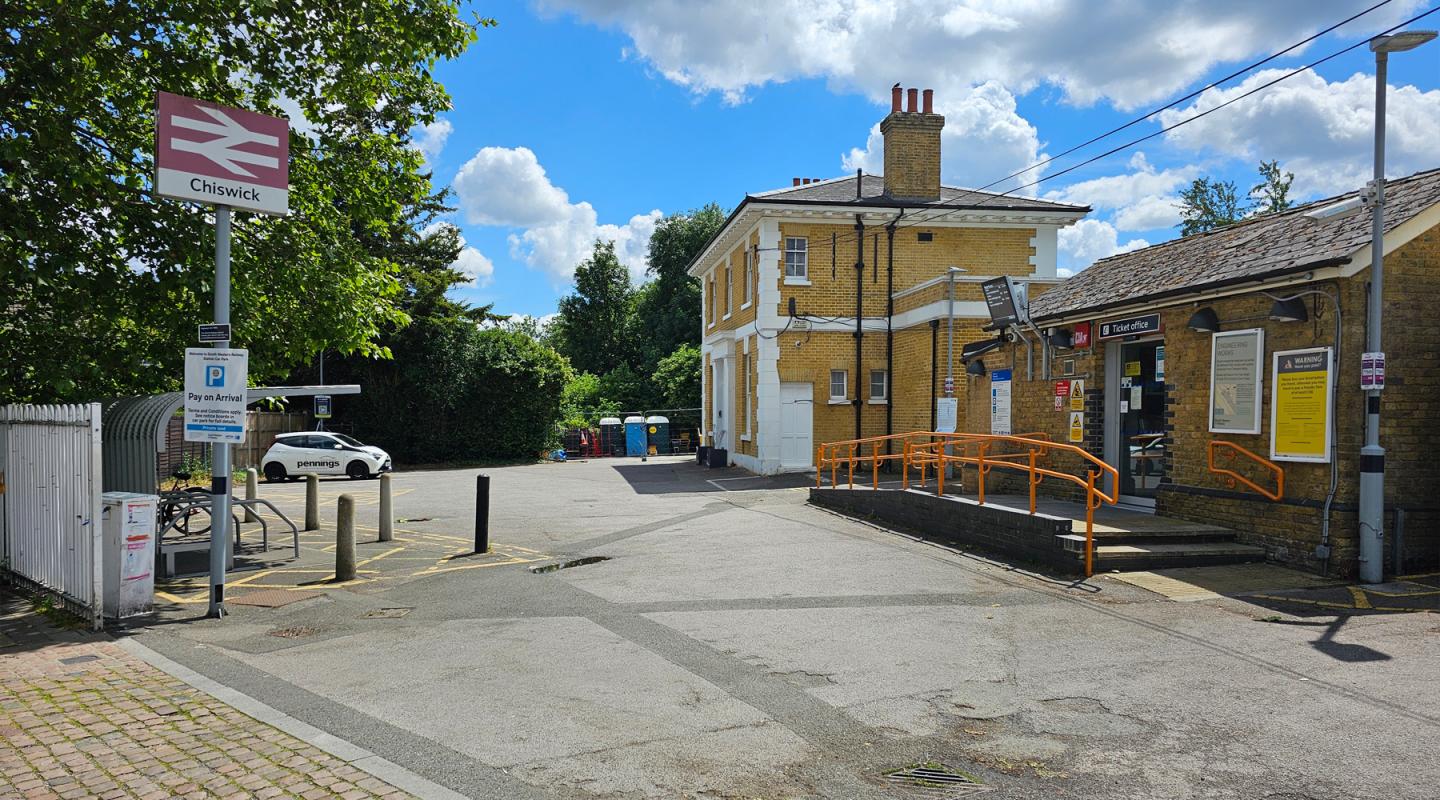
One of the most significant transport incidents in Chiswick's history occurred on 17 October 1964, when a passenger train derailed near Grove Park. The accident resulted in several fatalities and numerous injuries, marking a dark day for the local community. Investigations revealed that a faulty signal system was the primary cause, leading to a comprehensive review of railway safety protocols across the region.
The aftermath of the disaster prompted authorities to implement stringent safety measures, including regular maintenance checks and upgrades to signalling equipment. This incident underscored the importance of technological reliability in public transport systems and highlighted the need for continuous investment in infrastructure to prevent future tragedies.
The 1983 Bus Collision on Chiswick High Road.
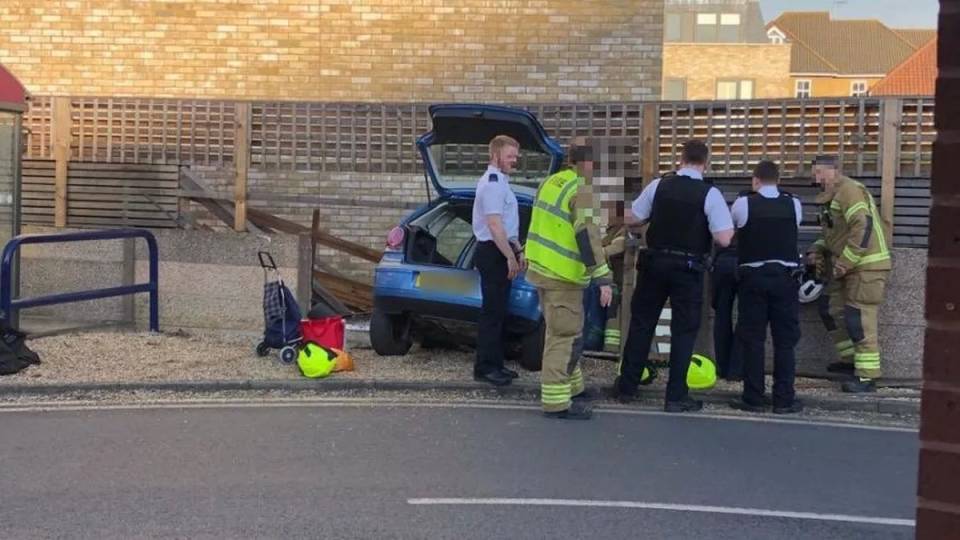
Another notable incident took place on Chiswick High Road in 1983, involving a collision between two buses during rush hour. The crash resulted in multiple injuries and significant traffic disruption. Eyewitness accounts suggested that driver error and poor visibility due to adverse weather conditions were contributing factors.
This incident led to increased scrutiny of driver training programmes and the implementation of stricter regulations regarding vehicle maintenance and road safety. Authorities also introduced measures to improve visibility on busy roads, such as enhanced street lighting and clearer road markings, aiming to reduce the likelihood of similar accidents occurring in the future.
The Impact of Aviation on Chiswick.
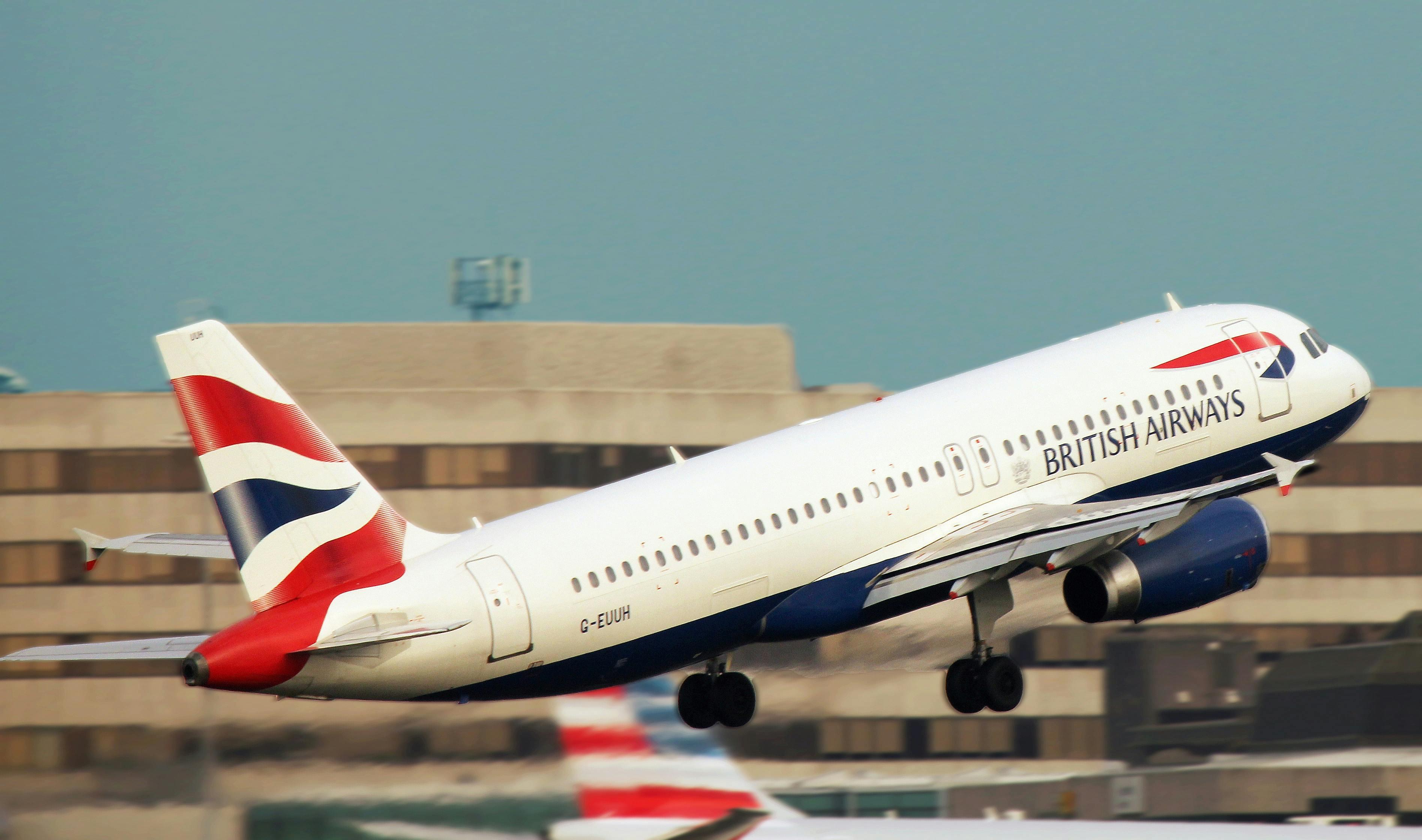
Chiswick's proximity to Heathrow Airport has also played a role in its transport history. While not directly within its boundaries, the area's residents have experienced the effects of aviation incidents over the years. One such event was the emergency landing of a commercial aircraft at Heathrow in 1998, which caused significant concern among Chiswick's population due to its low flight path over the area.
This incident sparked debates about aviation safety and noise pollution, leading to campaigns for stricter flight regulations and improved emergency response protocols. The community's response highlighted the importance of public engagement in shaping transport policies and ensuring that safety remains a top priority for all modes of travel.
Lessons Learned and Future Safety Measures.
The historical transport incidents affecting Chiswick have provided valuable lessons for improving safety standards and infrastructure. Each event has prompted reviews and reforms aimed at preventing similar occurrences, demonstrating a commitment to safeguarding public welfare.
One key takeaway from these incidents is the necessity of regular maintenance and upgrades to transport systems. Whether it involves railways, roads, or aviation, ensuring that infrastructure is up-to-date and well-maintained is crucial for preventing accidents. Additionally, investing in advanced technology can enhance safety measures, such as modern signalling systems for railways or improved navigation tools for aviation.
Public awareness and education also play a vital role in promoting safety. By informing residents about potential risks and encouraging responsible behaviour, communities can contribute to reducing accidents. Local authorities can support these efforts by organising safety campaigns and providing resources for emergency preparedness.
Reflecting on Chiswick's Transport History.
Chiswick's transport history is marked by incidents that have left lasting impressions on its community. Each event has served as a catalyst for change, driving improvements in safety standards and infrastructure. By learning from past experiences and continuing to prioritise public welfare, Chiswick can ensure a safer future for its residents and visitors alike. As transport systems evolve, maintaining vigilance and adaptability will be key to preventing future incidents and preserving the area's vibrant character.
Travel
Chiswicks Transport Tragedies- Uncovering Historical Incidents and Impact
Chiswick has witnessed several significant transport incidents over the years. From tragic accidents to pivotal changes in infrastructure, these events have shaped local history and impacted the community.



Comments (0)
You must be logged in to post comments.
Don't have an account? Register here
No comments yet. Be the first to share your thoughts!