
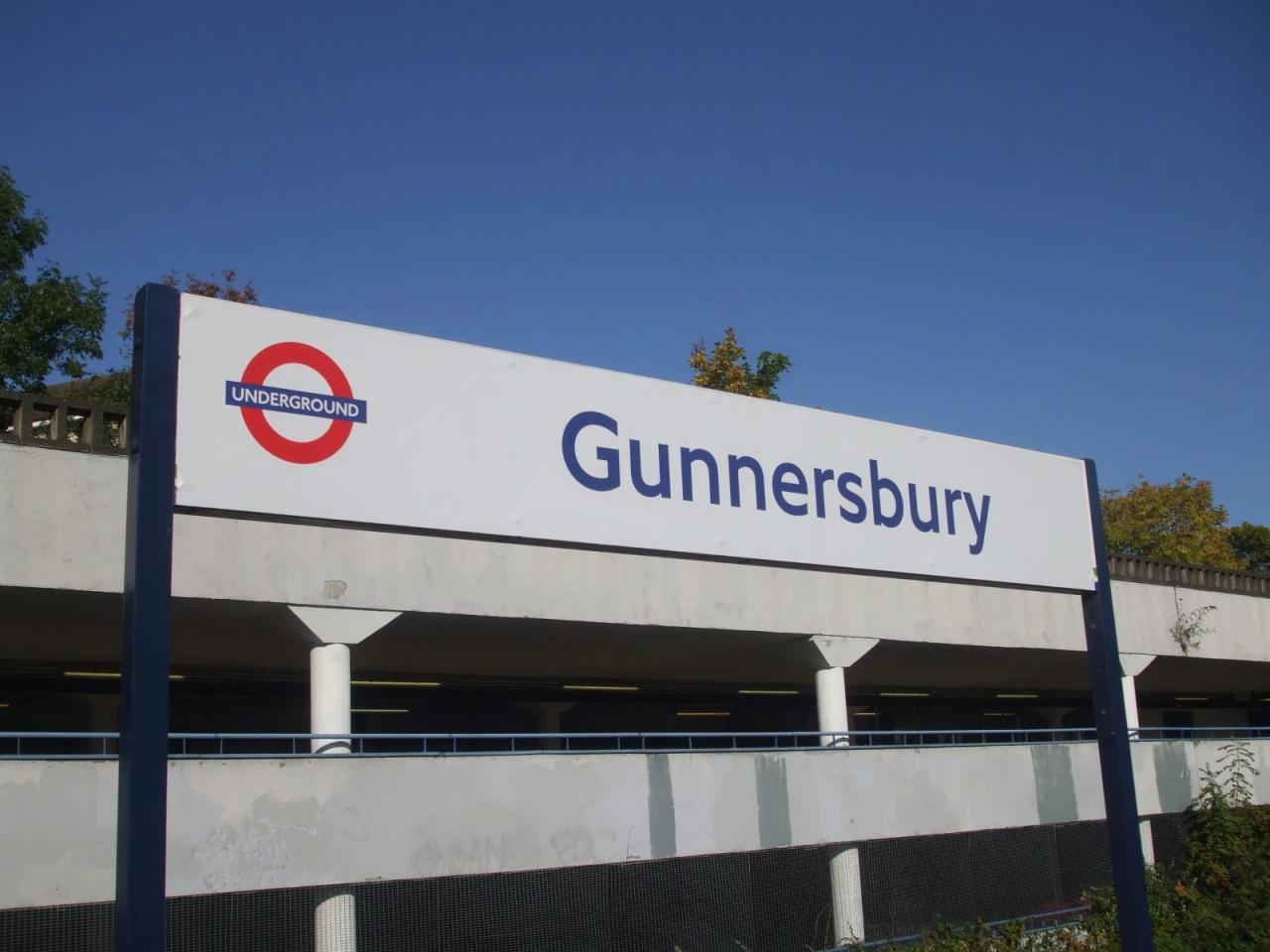
Plans to transform Chiswick Tower and its vicinity into a residential hub have sparked mixed reactions, with local residents calling for urgent upgrades to Gunnersbury Station. The proposal by Whiteland Properties and Assael Architecture aims to convert the office-dominated site into new homes, while enhancing the station area.
The redevelopment proposal includes the conversion of Chiswick Tower into approximately 400 affordable co-living studio apartments. Additionally, the nearby car parks, which run adjacent to the tracks at Gunnersbury Station, are slated to become 32 family-sized houses and co-living studios. The plans also feature green spaces, a new park, and commercial areas on the ground floor. Central to the proposal is improved access to Gunnersbury Station, with enhancements such as better wayfinding, fewer barriers, wider footpaths, new planting, and improved security. Step-free access and increased capacity are also part of the proposed improvements, alongside better pedestrian and cycle access across the site.
The station has long been a point of contention for residents, especially since the construction of the Chiswick Business Park. The influx of commuters during rush hours and the opening of the Brentford football stadium have exacerbated safety concerns, particularly with the station's single platform struggling to accommodate the increased foot traffic. On match days and during peak hours, locals often find themselves unable to access the station, prompting a sustained campaign for a second platform and step-free access, supported by former MP Ruth Cadbury.
The development plans are currently in the consultation phase, with a planning application expected to be submitted by late 2024. However, some residents have expressed scepticism about the area's ability to handle the anticipated influx of new residents. At a recent community meeting, concerns were raised about overcrowding at Gunnersbury Station and the strain on local infrastructure, including the availability of GPs and school places.
The West Chiswick and Gunnersbury Society (WCGS), a local residents' group, remains unconvinced that the proposed plans will adequately address the area's existing problems, particularly those related to the station. Marie Rabouhans, Chair of WCGS, has been advocating for improvements to Gunnersbury Station for over two decades. While she acknowledges the potential for positive changes, she fears the development may not go far enough in addressing infrastructure needs.
Rabouhans has stated that the redevelopment of Chiswick Tower and its surrounding land presents a unique opportunity to implement much-needed improvements to the station. She warns that failing to capitalise on this opportunity could leave the station unfit for purpose for the foreseeable future, making future changes difficult to achieve once redevelopment proceeds.
Since the general election, the WCGS has been actively working to advance improvements at Gunnersbury Station. The group has met with Andy Slaughter, the MP for Hammersmith & Chiswick, who has pledged his support and shown interest in re-establishing the Gunnersbury Station Action Team. This group, previously chaired by Ruth Cadbury MP, aims to bring together key stakeholders to discuss ways to enhance the station. Cadbury has also reached out to Rail Minister Lord Hendy for updates on the Access for All bids concerning Kew Bridge and Gunnersbury stations.
The redevelopment of Chiswick Tower and its surrounding area is part of a broader trend of urban regeneration projects aimed at addressing housing shortages and revitalising underutilised spaces. However, such projects often face challenges in balancing the needs of existing communities with the demands of new developments. The situation at Gunnersbury Station highlights the complexities involved in urban planning, where infrastructure must evolve to meet the needs of a growing population.
As the consultation process continues, stakeholders will need to carefully consider the implications of the proposed development on the local community. Ensuring that the infrastructure can support the increased population will be crucial to the project's success. The involvement of local residents and advocacy groups like the WCGS will be vital in shaping the outcome of the redevelopment plans.
The future of Gunnersbury Station and its surrounding area remains uncertain, with many residents hopeful that the redevelopment will bring about positive changes. However, the concerns raised by the community underscore the importance of comprehensive planning and investment in infrastructure to support sustainable urban growth. As the planning process unfolds, the voices of local residents will play a critical role in determining the project's direction and ensuring that the needs of the community are met.
Community
Gunnersbury Station Upgrades Urged Amid Chiswick Tower Redevelopment Plans
Plans to transform Chiswick Tower and its vicinity into a residential hub have sparked mixed reactions, with local residents calling for urgent upgrades to Gunnersbury Station. The proposal by Whiteland Properties and Assael Architecture aims to convert the office-dominated site into new homes, while enhancing the station area.




Comments (0)
You must be logged in to post comments.
Don't have an account? Register here
No comments yet. Be the first to share your thoughts!