
The Influence of the Thames on Chiswick.
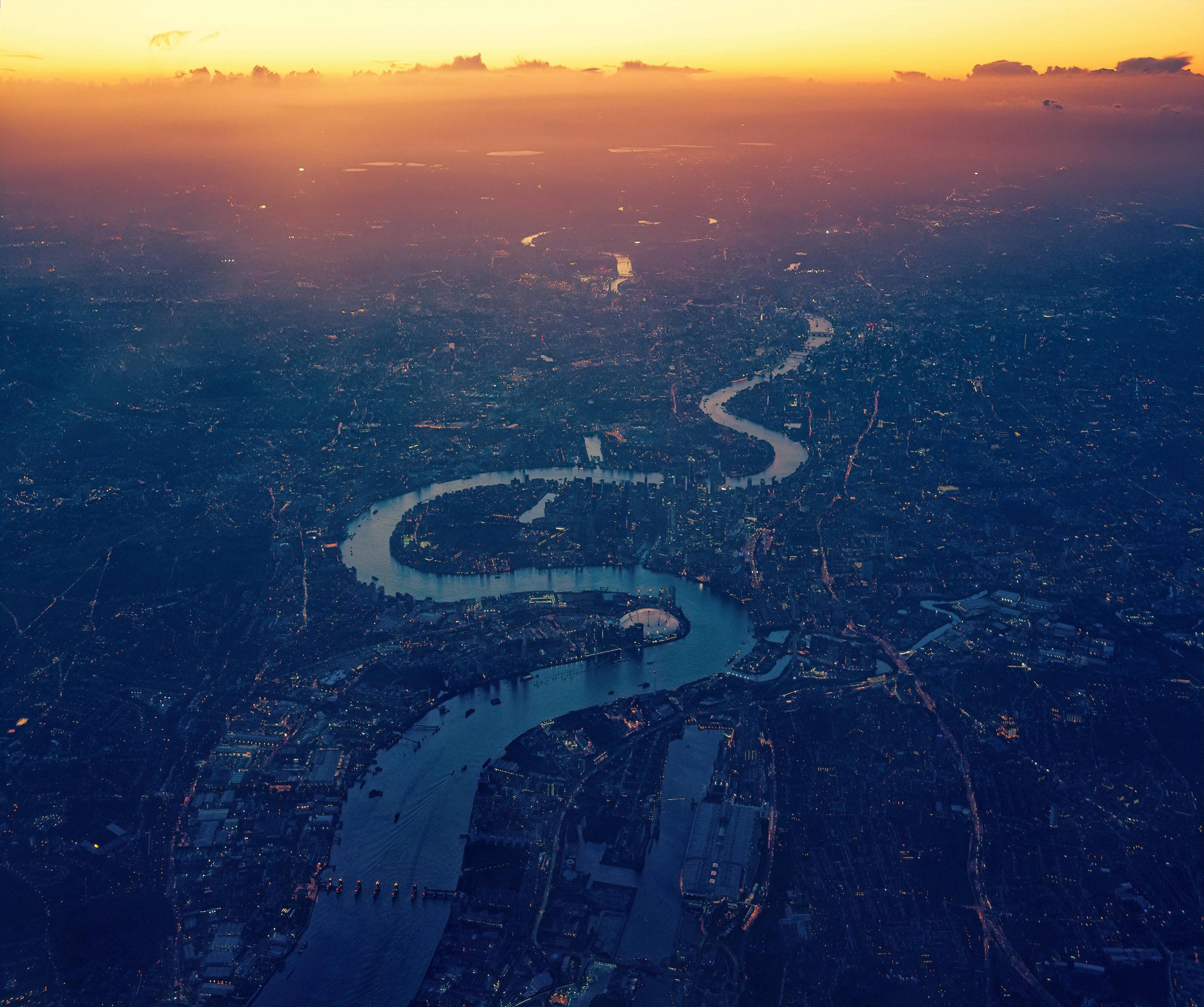
The River Thames has significantly influenced Chiswick's development, shaping its economy, culture, and architecture. From its early days as a fishing village to becoming a desirable residential area, the river has played a crucial role in transportation, trade, and leisure, making Chiswick a unique part of London.
Chiswick's Early Days.
Chiswick's relationship with the River Thames dates back centuries. Originally a small fishing village, the proximity to the river provided an abundant source of fish, which was a staple for local residents and a commodity for trade. The river's presence facilitated the growth of agriculture along its fertile banks, allowing Chiswick to flourish as a centre for market gardening. This agricultural heritage is still evident today in the area's green spaces and community gardens.
A Vital Waterway.
The Thames has long been a vital transportation route, and Chiswick benefited greatly from this. In the 18th and 19th centuries, the river was a bustling highway for goods and people. Barges and boats transported produce from Chiswick to central London markets, while also bringing in materials and goods from other parts of the country. This connectivity helped Chiswick evolve from a rural outpost into a thriving suburb. The construction of bridges, such as the historic Chiswick Bridge, further integrated the area into London's transport network, enhancing accessibility and encouraging development.
Riverside Elegance.
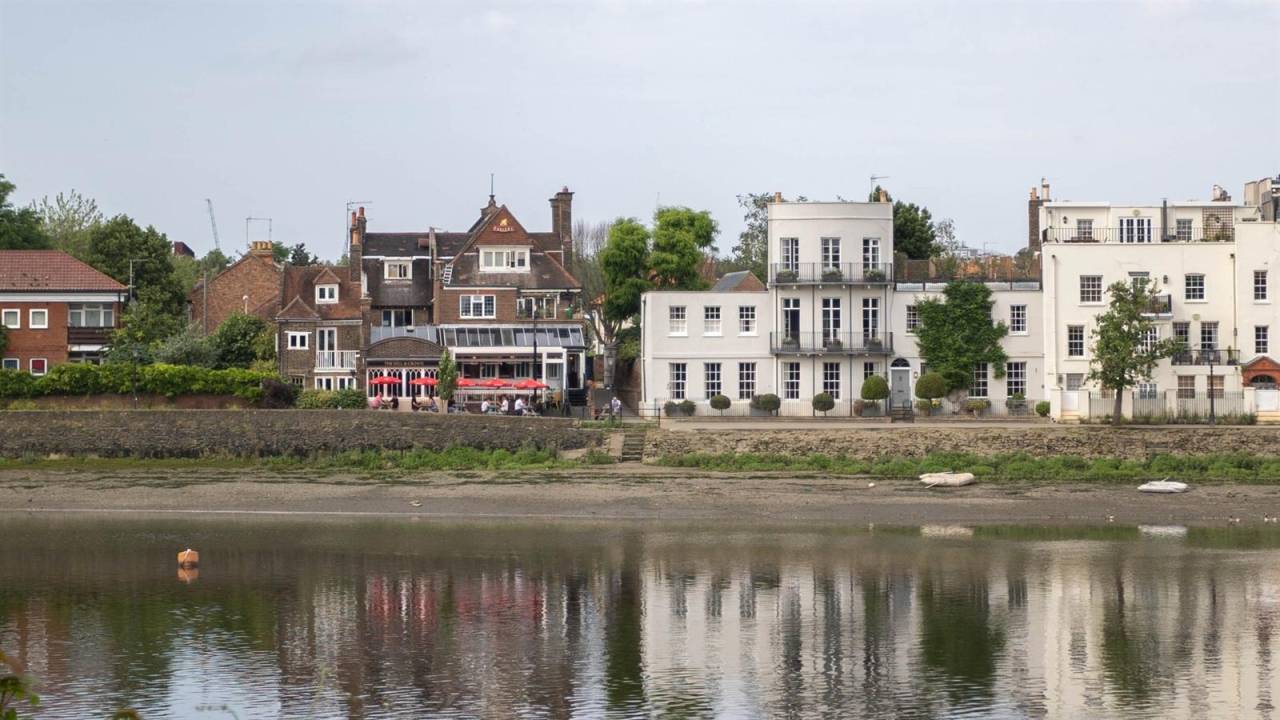
The architectural landscape of Chiswick has been profoundly shaped by its riverside location. The picturesque views and tranquil setting attracted wealthy Londoners seeking respite from the city. This led to the construction of grand houses and estates along the riverbanks, many of which still stand today as examples of Georgian and Victorian architecture. These homes not only reflect the affluence brought by river trade but also contribute to Chiswick's reputation as an attractive residential area.
Leisure and Recreation.
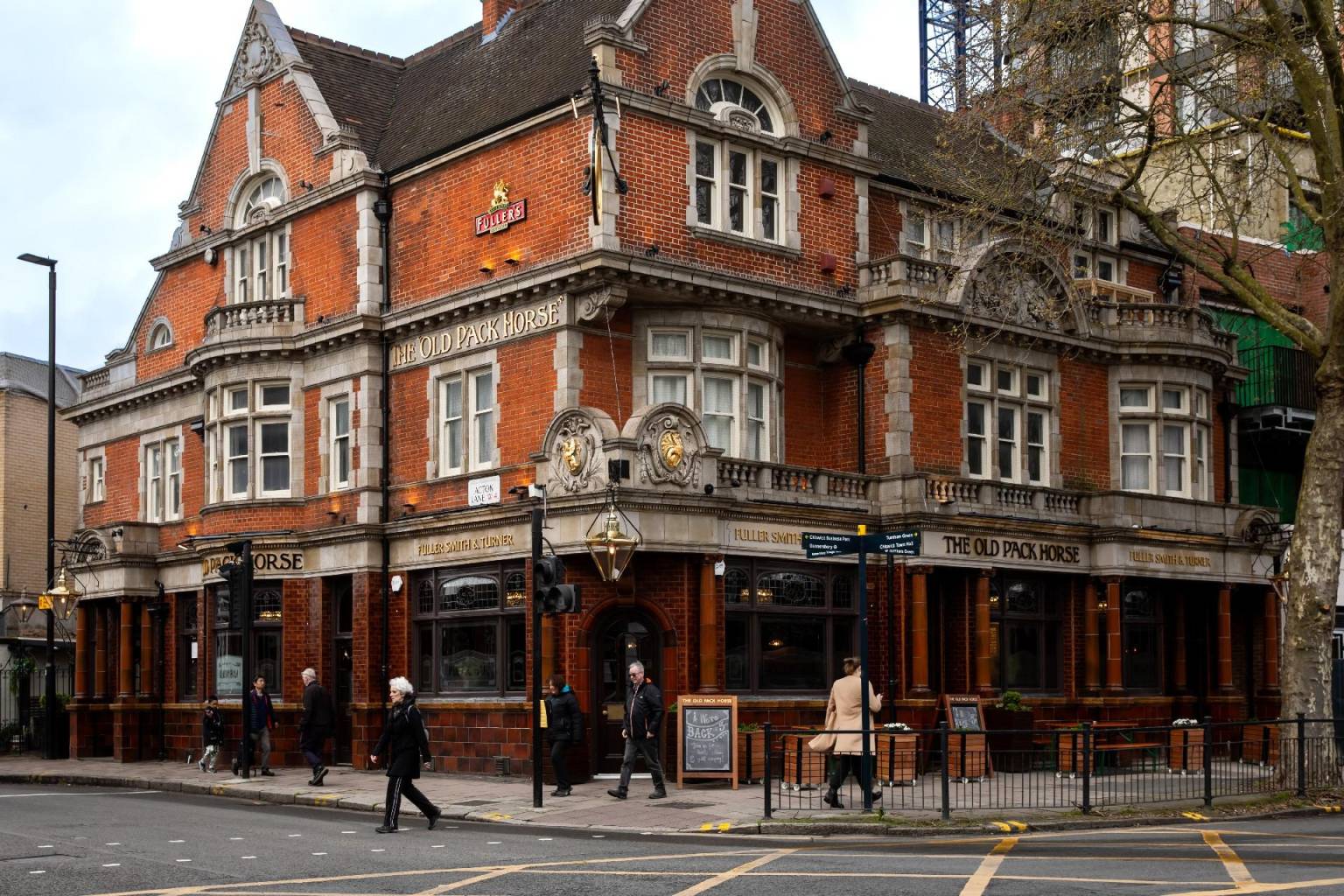
The River Thames has also played a significant role in shaping Chiswick's cultural life. The river has long been a site for leisure activities, from rowing and sailing to riverside walks. The annual Boat Race between Oxford and Cambridge universities passes through Chiswick, drawing spectators and adding to the area's vibrant atmosphere. Riverside pubs and restaurants offer locals and visitors alike the chance to enjoy the scenic beauty of the Thames while partaking in traditional British hospitality.
Balancing Development and Nature.
As Chiswick has developed, maintaining a balance between urban growth and environmental preservation has been crucial. The Thames provides vital habitats for wildlife, and efforts have been made to protect these ecosystems amidst increasing urbanisation. Initiatives such as river clean-ups and conservation projects aim to preserve the natural beauty of the area while accommodating its growing population. These efforts ensure that the river continues to be a cherished asset for future generations.
A Desirable Destination.
Today, Chiswick is known as one of London's most desirable residential areas, thanks in large part to its riverside location. The Thames continues to influence property values, with homes offering river views commanding premium prices. The area's blend of historical charm and modern amenities attracts families, professionals, and retirees alike. The river's presence enhances the quality of life in Chiswick, providing opportunities for outdoor activities and fostering a strong sense of community.
Future Prospects.
As Chiswick looks to the future, the River Thames will undoubtedly remain a central feature of its identity. Ongoing developments aim to enhance connectivity with other parts of London while preserving the area's unique character. Sustainable development practices are being prioritised to ensure that growth does not come at the expense of environmental integrity. By continuing to embrace its riverside heritage, Chiswick can look forward to a future that honours its past while adapting to modern needs.
The River Thames has been instrumental in shaping Chiswick's development over the centuries. From its origins as a fishing village to its current status as a sought-after residential area, the river has influenced every aspect of life in Chiswick. Its impact on transportation, trade, architecture, culture, and environment underscores its importance as more than just a geographical feature but as a vital component of Chiswick's identity. As the area continues to evolve, the Thames will remain at its heart, guiding its growth and preserving its unique charm for generations to come.
Chiswick History
How the Thames Transformed Chiswick - A Journey Through Time
The Influence of the Thames on Chiswick. The River Thames has significantly influenced Chiswick's development, shaping its economy, culture, and architecture.

Comments (0)
You must be logged in to post comments.
Don't have an account? Register here
No comments yet. Be the first to share your thoughts!