
A cedar tree famously climbed by The Beatles, an oak linked to Virginia Woolf's inspiration, and the King of Limbs near Marlborough are among ten contenders for the 2025 Tree of the Year accolade. These trees, selected for their cultural significance, are part of a competition that highlights the role of trees in inspiring creativity and shaping cultural heritage.
The Woodland Trust's annual contest aims to celebrate and bring attention to rare, ancient, or endangered trees across the United Kingdom. This year's theme, "Rooted in Culture," underscores the profound impact trees have had on the arts and society. A panel of experts curated nine of the shortlisted trees, while the public contributed a wildcard entry, ensuring a diverse representation from all four UK nations.
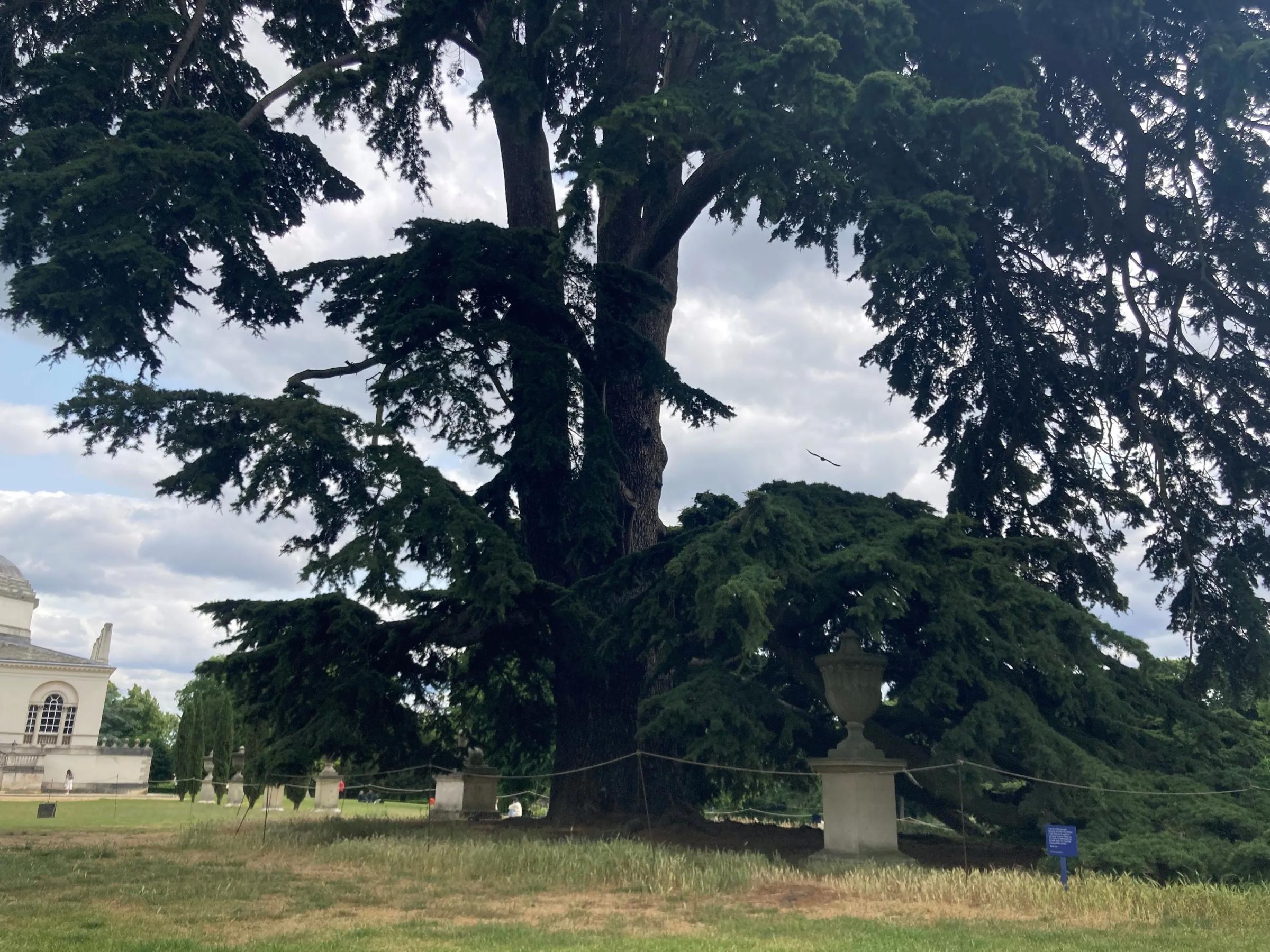
Among the notable entries is the cedar tree in Chiswick, immortalised in The Beatles' 1966 music video for "Rain." This tree stands as a testament to the band's enduring influence on music and culture. Another significant nominee is the Knole Park Oak in Kent, believed to have inspired Virginia Woolf's novel "Orlando," showcasing the deep connection between literature and nature.
Wiltshire boasts two entries: the King of Limbs, a tree that has become a symbol of strength and endurance, and the Lollipop Tree on Salisbury Plain, known for its distinctive shape and historical significance. These trees highlight the region's rich arboreal heritage and its contribution to the nation's cultural tapestry.
In Northern Ireland, the Tree of Peace and Unity in County Antrim holds historical importance, having played a role during the signing of the Good Friday Agreement. This tree symbolises hope and reconciliation, reflecting the power of nature to foster peace and unity.
Scotland's representation includes the Argyle Street Ash in Glasgow and the Borrowdale Yews in Cumbria. These trees are celebrated for their resilience and historical significance, with the Borrowdale Yews often associated with ancient folklore and myth.
Wales is represented by the Lonely Tree in Llanberis, a solitary figure that has become a symbol of perseverance and solitude. This tree's inclusion in the shortlist highlights the diverse range of stories and histories that trees across the UK embody.
The competition not only celebrates these remarkable trees but also raises awareness about the threats they face. Many of these trees are at risk due to environmental changes, urban development, and disease. By spotlighting their cultural and historical significance, the Woodland Trust hopes to galvanise public support for their preservation.
Dame Judi Dench, a patron of the Woodland Trust, has urged the public to participate in the voting process. She emphasised the importance of these trees, stating that they hold stories older than Shakespeare's works and are integral to the nation's heritage. Her call to action highlights the need for collective efforts to protect these natural treasures for future generations.
The previous year's winner, the Skipinnish Oak in Lochaber, Scotland, garnered 21% of the vote, demonstrating the public's enthusiasm for celebrating the nation's arboreal heritage. This year's competition promises to be equally engaging, with each tree offering a unique glimpse into the UK's cultural and natural history.
The process of selecting the Tree of the Year involves a comprehensive evaluation of each tree's historical, cultural, and ecological significance. The panel of experts considers factors such as the tree's age, species, and the role it has played in inspiring artistic and cultural works. The public's wildcard entry adds an element of surprise and inclusivity, ensuring that lesser-known trees also have a chance to be recognised.
The winner of the UK Tree of the Year will represent the nation in the European Tree of the Year competition, where it will compete against entries from across the continent. This international stage provides an opportunity to showcase the UK's rich arboreal heritage and the stories these trees tell.
As the competition unfolds, it serves as a reminder of the vital role trees play in our lives. They are not only essential for the environment but also for the cultural and historical narratives they embody. The Woodland Trust's initiative encourages people to appreciate and protect these living monuments, ensuring their stories continue to inspire future generations.
In conclusion, the 2025 Tree of the Year competition is more than just a celebration of trees; it is a call to action to preserve the natural and cultural heritage they represent. As voting commences, the public is invited to engage with these stories and contribute to the preservation of the UK's arboreal legacy.
Local News
Chiswick Cedar Tree Beatles Climbed On up For Award
A cedar tree famously climbed by The Beatles, an oak linked to Virginia Woolf's inspiration, and the King of Limbs near Marlborough are among ten contenders for the 2025 Tree of the Year accolade.




Comments (0)
You must be logged in to post comments.
Don't have an account? Register here
No comments yet. Be the first to share your thoughts!