
Independent pharmacies across the United Kingdom are facing unprecedented challenges, with many on the brink of closure due to escalating drug costs, shortages of essential medicines, and recent government policies.
The National Pharmacy Association (NPA), which represents these pharmacies, has initiated a petition to alert both politicians and the public to the critical situation. Reports indicate that approximately ten pharmacies are shutting down each week, and a staggering three-quarters of independent pharmacists are now operating at a financial loss. Despite these challenges, pharmacists are being positioned at the forefront of a new healthcare strategy aimed at alleviating the burden on general practitioners by encouraging patients to consult their local pharmacist for a variety of medical issues.
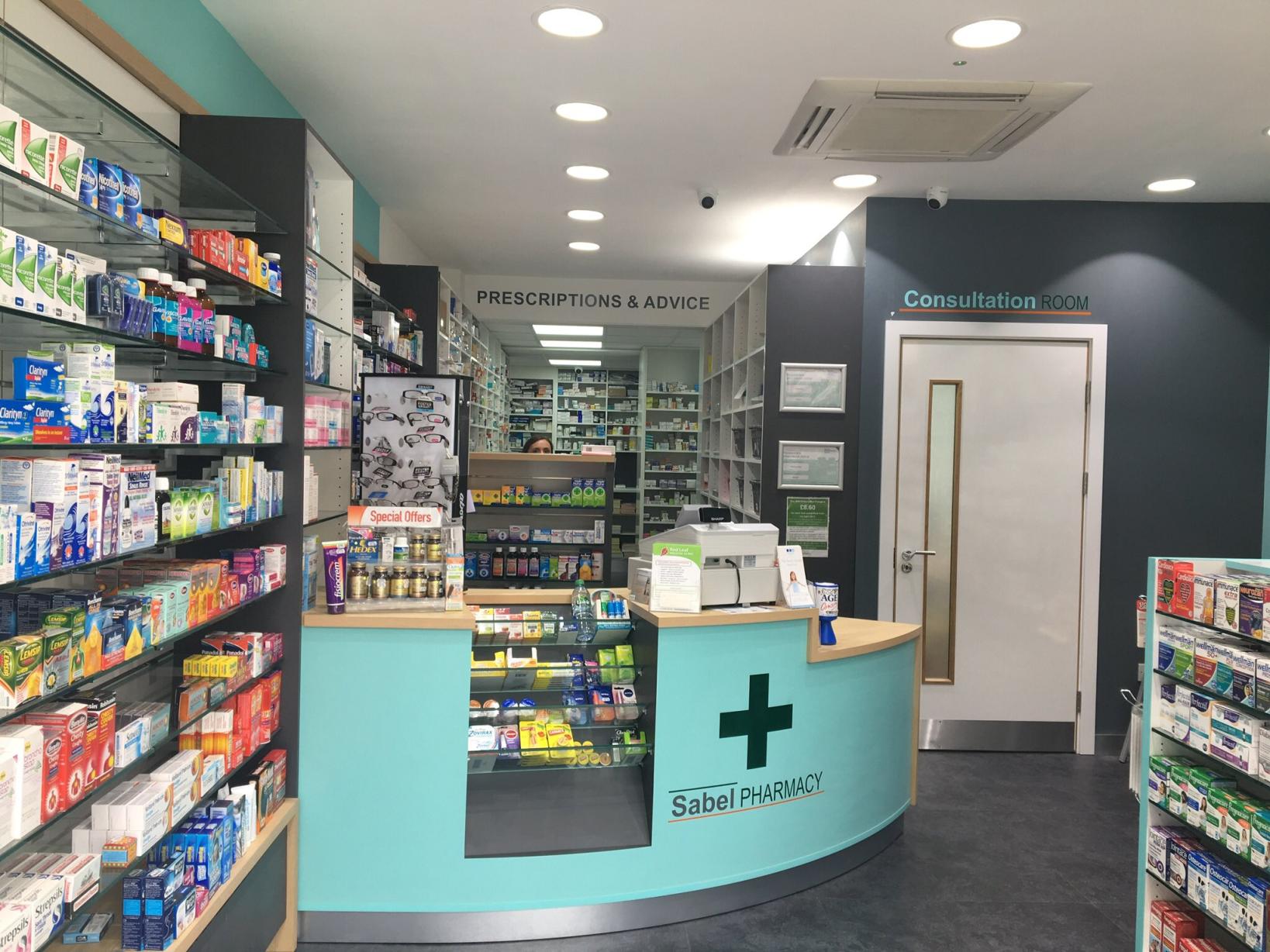
In Chiswick, pharmacies such as Busby's in Grove Park and Sabel Pharmacy on Chiswick High Road are actively seeking support from their customers by asking them to sign the petition. Sue Birch, the owner of Busby's, and Rachel Patel, co-owner of Sabel Pharmacy, have voiced their concerns about the dire circumstances facing pharmacists today.
Rachel Patel, who has held her pharmacist licence for over three decades, described the worsening drug shortages as unprecedented in her career.
The reasons behind these shortages are complex, involving ongoing issues with manufacturers. Patel also highlighted the complications arising from Brexit, which has made importing medications more challenging, as most are manufactured abroad.
The global nature of these shortages is further compounded in the UK by what Patel describes as a political reluctance to adequately compensate suppliers.
Sue Birch, who has managed the pharmacy near the railway at Grove Park for nearly 30 years, shared similar concerns. Last year marked the first time her accounts were in the red, a situation she attributes to difficulties in procuring drugs to fulfil prescriptions and insufficient government reimbursement.
The situation has worsened post-pandemic. The drug tariff is a pricing mechanism used by the Department of Health and Social Care (DHSC) to regulate its drug budget. Pharmacists receive a monthly list of drug prices, and if they purchase drugs above these prices, they risk not being fully reimbursed by the government. Due to rapid price increases, the DHSC has been revising its payment offers more frequently, but recently, they have reverted to updating the list only once a month. This means pharmacists must wait until the end of the month to determine if they will recoup their expenses.
The implications for patients are significant. In some cases, patients are directed to larger chains like Tesco or Boots, but even these outlets sometimes fail to supply the necessary drugs.
The crisis facing independent pharmacies has broader implications for the healthcare system. With pharmacists expected to play a more significant role in primary care, their struggles could exacerbate pressures on already overburdened general practitioners. The potential closure of more pharmacies could lead to reduced access to essential healthcare services, particularly in rural and underserved areas.
Sabel Pharmacy, located on Chiswick High Road, offers a range of services to the local community. In addition to dispensing prescriptions, the pharmacy provides health consultations, over-the-counter medications, and advice on managing minor ailments. The pharmacy also offers services such as blood pressure monitoring, flu vaccinations, and smoking cessation support. These services are crucial in promoting public health and reducing the strain on other healthcare providers.
The petition launched by the NPA aims to bring these issues to the forefront of political discourse, urging policymakers to take immediate action to support independent pharmacies. Without intervention, the closure of these vital community resources could have lasting consequences for public health and the overall healthcare landscape in the UK.
As the situation unfolds, the resilience and adaptability of independent pharmacists remain crucial. Their dedication to serving their communities, despite the challenges, underscores the essential role they play in the healthcare system. The outcome of this crisis will not only affect the livelihoods of pharmacists but also the health and well-being of countless individuals who rely on their services.
Health
Independent Pharmacies in Crisis: Drug Shortages and Rising Costs Threaten Survival
Independent pharmacies across the United Kingdom are facing unprecedented challenges, with many on the brink of closure due to escalating drug costs, shortages of essential medicines, and recent government policies. The National Pharmacy Association (NPA), which represents these pharmacies, has initiated a petition to alert both politicians and the public to



Comments (0)
You must be logged in to post comments.
Don't have an account? Register here
No comments yet. Be the first to share your thoughts!