
A significant clean-up operation has commenced to dismantle a massive accumulation of wet wipes along the River Thames, dubbed "Wet Wipe Island." This environmental hazard, located near Hammersmith Bridge, has altered the river's course and poses a threat to local wildlife.
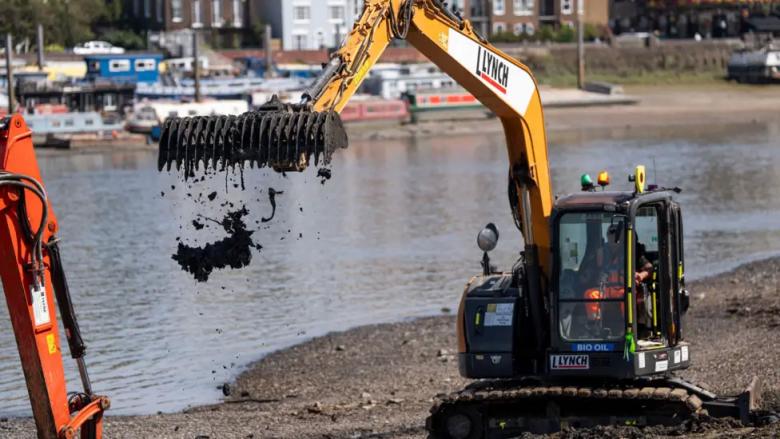
The operation, which began on 11 August 2025, involves the use of an eight-tonne excavator, granted access through the grounds of St Paul's School in Barnes. The "island," which spans an area comparable to two tennis courts and reaches heights of up to one metre, will be dismantled and the waste responsibly disposed of in skips. The PLA emphasised the importance of this initiative in restoring the health of the Thames and mitigating the ecological damage caused by the accumulation of wet wipes and other pollutants.
Historically, efforts to address the issue of wet wipes in the Thames have relied heavily on manual removal by volunteers. Thames21, a local environmental organisation, has been at the forefront of these efforts, monitoring the site since 2017. With support from Thames Water, the PLA has now taken decisive action to coordinate a large-scale mechanical removal, marking a significant shift in strategy.
This clean-up is part of a broader ambition to enhance the health of the Thames. Thames Water has committed an additional £1.8 billion to improve river health across London. Last year, the company connected its £4.6 billion Thames Tideway Tunnel, which aims to reduce sewage discharges into the tidal Thames by 95%. These efforts are crucial in addressing the broader issue of pollution in the river and improving its ecological balance.
Grace Rawnsley, a representative from the PLA, expressed the significance of the project, stating, "For too long, 'Wet Wipe Island' in Hammersmith has been a source of environmental harm and an embarrassment to the capital. This is the first time anyone has sought to execute a mass, mechanical removal of wet wipes in this way. We will continue to bring innovation and investment to help the world's greatest river thrive."
Chris Coode, CEO of Thames21, welcomed the initiative, highlighting the detrimental impact of plastic wet wipes on the natural environment. "Plastic wet wipes have no place in our rivers or natural environment, so it's terrific news that action is being taken to remove 'Wet Wipe Island' in the Thames. This vital move is a crucial step towards protecting the health of the River Thames and its wildlife, as it will reduce the introduction of microplastics into the environment from this site," he said.
Coode further advocated for systemic change, calling for a ban on plastics in wet wipes and other sanitary products. "Thames21 has been pushing for a ban on plastics in wet wipes. However, we would like to see more systemic change to tackle the issue of plastics entering the environment via wet wipes and other sanitary waste," he added.
The clean-up project is expected to take up to a month to complete, during which time the PLA and its partners will work diligently to remove the waste and restore the river's natural flow. This initiative is a crucial step in addressing the broader issue of microplastic pollution in British waterways, which has been increasing at an alarming rate.
Microplastics, tiny plastic particles less than five millimetres in size, have become a significant environmental concern due to their persistence in the environment and potential to harm aquatic life. These particles can originate from a variety of sources, including the breakdown of larger plastic items, synthetic fibres from clothing, and personal care products. In the case of the Thames, wet wipes contribute significantly to the microplastic load, as they often contain plastic fibres that do not biodegrade.
The impact of microplastic pollution extends beyond the immediate environment, affecting the broader ecosystem and potentially entering the food chain. Aquatic organisms can ingest microplastics, which can then be transferred to larger predators, including humans, through the consumption of seafood. This has raised concerns about the potential health implications of microplastic exposure, prompting calls for increased research and regulatory action.
Efforts to address microplastic pollution in British waterways are gaining momentum, with initiatives such as the Thames Tideway Tunnel and the current clean-up operation playing a critical role. However, experts emphasise the need for comprehensive strategies that address the root causes of plastic pollution, including improved waste management practices, public education, and regulatory measures to reduce plastic use.
As the clean-up of "Wet Wipe Island" progresses, it serves as a stark reminder of the challenges posed by plastic pollution and the importance of collective action to protect the environment. The success of this initiative will depend on continued collaboration between government agencies, environmental organisations, and the public, as well as a commitment to sustainable practices that prioritise the health of our waterways and the ecosystems they support.
Local News
Major Effort Underway to Remove 'Wet Wipe Island' from River Thames
A significant clean-up operation has commenced to dismantle a massive accumulation of wet wipes along the River Thames, dubbed "Wet Wipe Island." This environmental hazard, located near Hammersmith Bridge, has altered the river's course and poses a threat to local wildlife.





Comments (0)
You must be logged in to post comments.
Don't have an account? Register here
No comments yet. Be the first to share your thoughts!