
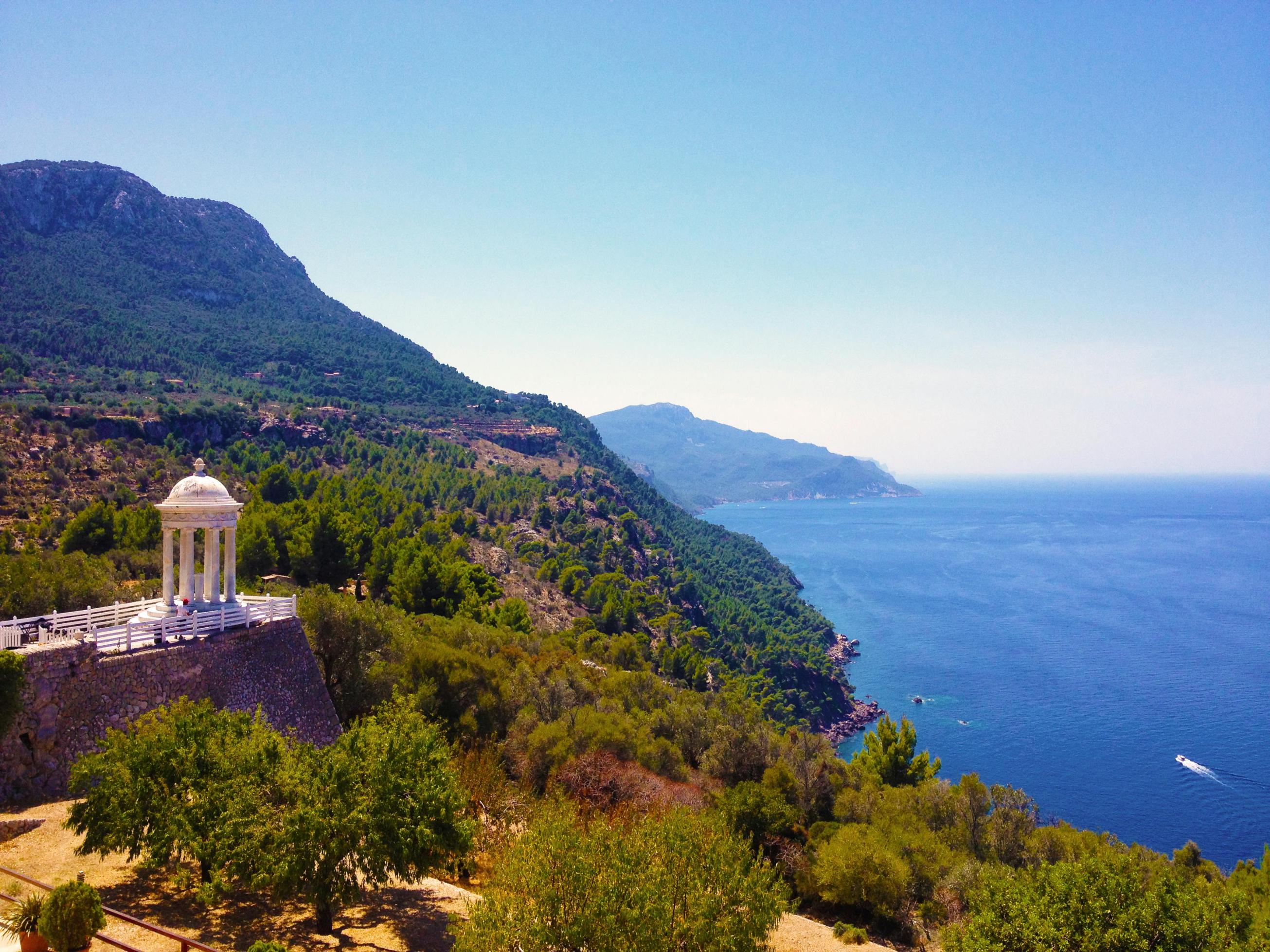
The Spanish island of Mallorca, a renowned holiday destination, is experiencing a significant decline in British and German tourists, crucial contributors to its economy. This downturn, occurring during the peak summer season, raises concerns about the island's tourism sector's future.
Mallorca, a jewel of the Mediterranean, has long been a magnet for tourists seeking sun, sea, and culture. However, recent reports indicate a troubling trend: a marked decrease in visitors from the United Kingdom and Germany, traditionally the island's largest tourist markets. This decline is not only affecting the tourism industry but also rippling through the local economy, with businesses across various sectors feeling the strain.
Pedro Fiol, president of Aviba, the island's travel agency association, has highlighted the severity of the situation. The drop in tourist numbers is particularly alarming as it coincides with what should be the busiest time of the year. The question on everyone's mind is whether this is a temporary blip or a sign of deeper issues within Mallorca's tourism industry.
One factor contributing to the decline is the growing anti-tourism sentiment on the island. Overcrowding, environmental concerns, and the strain on local infrastructure have sparked debates across Europe about the sustainability of mass tourism. These discussions are influencing potential travellers, leading them to reconsider their holiday plans and question whether Mallorca remains an attractive destination.
The hospitality sector is among the hardest hit. Juanmi Ferrer, president of the Restaurants Association of Mallorca (CAEB), has expressed concern over the significant reduction in diners at restaurants island-wide. In some areas, customer numbers have plummeted by as much as 40%. This downturn is so severe that some popular tourist spots, like Sóller, have had to give staff an unexpected holiday during the high season, highlighting the challenges faced by hospitality workers and business owners.
The decline in restaurant patronage is indicative of a broader trend: tourists are either not visiting or not spending as much when they do. This has wider implications for local employment, as businesses struggle to remain profitable and meet operational demands. The tourism transport sector is also suffering, with bookings for July and August down by approximately 20%. The island's official tourist guild reports a decrease in excursion bookings to popular destinations such as Valldemossa, Palma, and Port de Sóller. The most significant drop is among travellers from mainland Spain and the United States, raising concerns about Mallorca's appeal to both international and domestic tourists.
The retail industry is not immune to these challenges. According to Carolina Domingo, president of Pimeco, Mallorca's small business association, retail sales have fallen by 10% to 20%. Without the influx of British, German, and Asian tourists, local shops are witnessing a decline in sales. In response, Pimeco has launched a new image campaign to counteract the negative perceptions of the island as an overcrowded and environmentally strained destination.
The Balearic Islands' tourism minister, Jaume Bauzà, acknowledges the growing negative sentiment towards tourists but maintains that it has not yet significantly impacted the islands' image abroad. Despite fluctuations in certain sectors, Bauzà insists that the overall picture remains positive. However, he recognises the difficulties faced by some businesses that are struggling to meet expectations.
Carmen Planas, president of CAEB, echoes this sentiment, emphasising that tourism remains a vital driver of Mallorca's economy. Despite the current challenges, the sector's long-term contribution to the island is invaluable. Planas also condemns acts of vandalism and anti-tourism graffiti, attributing them to a vocal minority. While these actions are damaging, they have not significantly altered the island's tourism dynamics.
The rise in anti-tourism sentiment is a growing concern for Mallorca. Residents are increasingly vocal about the adverse effects of mass tourism on their daily lives, citing overdevelopment, pollution, and rising living costs as key issues. These concerns are prompting local leaders to rethink how tourism is managed on the island.
The critical question is whether the current decline in tourist numbers is a temporary setback or indicative of a more profound shift in travel patterns. With new European destinations emerging as attractive alternatives, Mallorca's reliance on its traditional markets is under scrutiny. The island's future as a leading tourist destination may depend on its ability to adapt to changing traveller preferences and address the challenges posed by mass tourism.
As Mallorca navigates these turbulent times, the island's leaders and businesses must work together to ensure its continued appeal to tourists while balancing the needs of local residents and the environment. The outcome of these efforts will determine whether Mallorca can maintain its status as a premier holiday destination in the years to come.
Travel
Mallorca Faces Tourism Slump: Economic Implications and Future Prospects
The Spanish island of Mallorca, a renowned holiday destination, is experiencing a significant decline in British and German tourists, crucial contributors to its economy. This downturn, occurring during the peak summer season, raises concerns about the island's tourism sector's future.



Comments (0)
You must be logged in to post comments.
Don't have an account? Register here
No comments yet. Be the first to share your thoughts!