
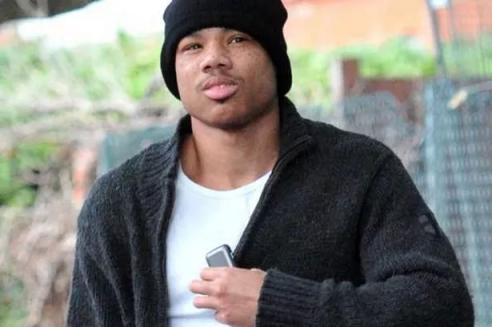
Ricky Preddie, known for his involvement in the tragic death of Damilola Taylor 24 years ago, has avoided imprisonment to care for his young son.
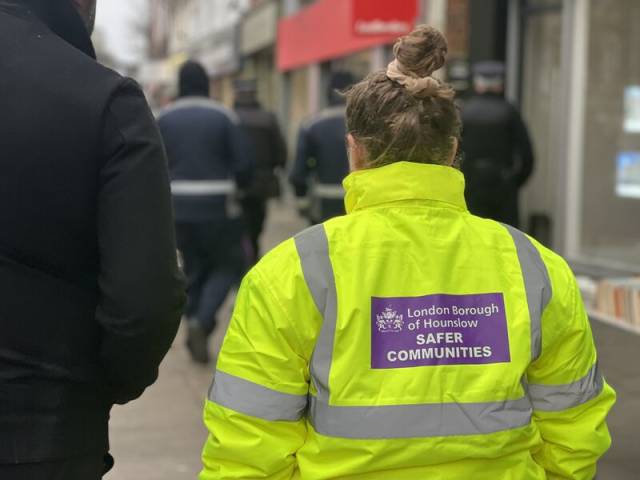
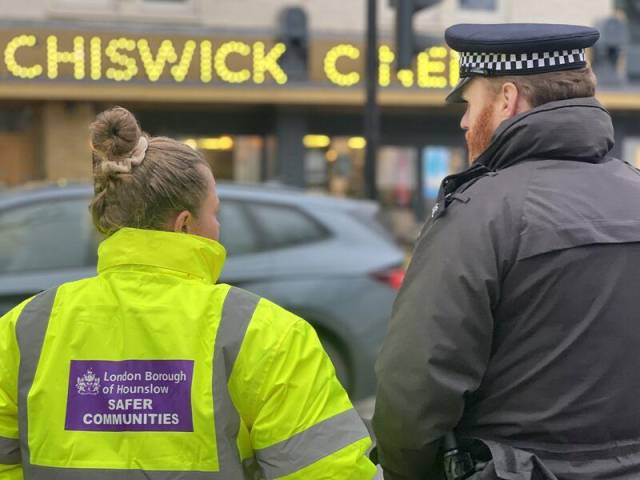
Now aged 37, Preddie was involved in a high-speed police pursuit on a moped, reaching speeds of 50mph through Chiswick. His past includes a driving ban until 2033 after injuring a police officer in 2019.
Ricky Preddie's recent run-in with the law has once again brought his name into the public eye. The incident unfolded on March 2, 2024, when Preddie was seen riding a moped that had been flagged for speeding. According to sources, he was en route to West Middlesex Hospital, claiming an urgent medical need. However, instead of complying with police orders to stop, he accelerated, reaching 50mph in a 20mph zone, and dangerously ran red lights, narrowly missing pedestrians.
The chase concluded dramatically when Preddie crashed into a river wall and leapt 20 feet into the river below. Officers, equipped with body cameras, captured the tense moments as they realised Preddie had jumped. Despite the chaos, he did not resist arrest. It was later revealed that he was wearing a catheter, having just left the hospital, which added a layer of complexity to the situation.
Prosecutor Harriet Palfreman presented the case against Preddie, highlighting his history of reckless behaviour. His criminal record includes 60 offences, with a notable incident in 2019 where he seriously injured PC Natalia Trzeciak with his vehicle. This history painted a picture of a man with a troubling pattern of endangering public safety.
In his defence, lawyer Natalie Turner argued that Preddie's actions were driven by panic over his medical condition. She emphasised his need for immediate medical attention due to bleeding from a catheter, suggesting that fear clouded his judgement during the chase.
Judge Amanda Pinto KC, presiding over the case, acknowledged the gravity of Preddie's actions. She remarked on the sheer luck that no one was injured during the chase, given the potential for disaster. Despite this, she opted for a 12-month suspended sentence, citing Preddie's early guilty plea and the importance of his role as a father to his five-year-old son.
"This is your chance to show real responsibility by being there for your son," Judge Pinto stated, underscoring the opportunity for Preddie to turn his life around. In addition to the suspended sentence, Preddie received an eight-week suspended sentence for driving while disqualified and using a vehicle without insurance. He is also required to complete 30 days of rehabilitation activities, 240 hours of community service, and faces an additional 12-month driving ban.
The case has sparked discussions about the balance between justice and rehabilitation. Some argue that Preddie's repeated offences warrant a harsher penalty, while others believe that the suspended sentence provides him with a crucial opportunity to reform and fulfil his parental responsibilities.
The broader community impact of Preddie's actions cannot be overlooked. His involvement in the death of Damilola Taylor remains a poignant memory for many, and his continued legal troubles serve as a reminder of the challenges in addressing repeat offenders. The case also highlights the complexities of balancing public safety with individual rehabilitation, particularly when family responsibilities are involved.
Preddie's situation is further complicated by his medical needs, which played a significant role in the events leading to his arrest. The presence of a catheter and his recent hospital visit were central to his defence, raising questions about how medical conditions should be considered in legal proceedings.
The legal system's handling of Preddie's case may set a precedent for similar situations in the future. It underscores the importance of considering the full context of an individual's circumstances, including their health and family obligations, when determining appropriate sentencing.
As Preddie embarks on his rehabilitation journey, the community watches closely. His ability to adhere to the conditions of his suspended sentence and demonstrate genuine change will be critical in shaping public perception and his future interactions with the law.
The case serves as a reminder of the ongoing challenges in balancing justice, rehabilitation, and public safety. It prompts reflection on how society can support individuals in breaking cycles of offending while ensuring accountability for actions that endanger others.
Crime
Ricky Preddie Avoids Jail After High-Speed Chase in Chiswick
Ricky Preddie, known for his involvement in the tragic death of Damilola Taylor 24 years ago, has avoided imprisonment to care for his young son.



Comments (0)
You must be logged in to post comments.
Don't have an account? Register here
No comments yet. Be the first to share your thoughts!