
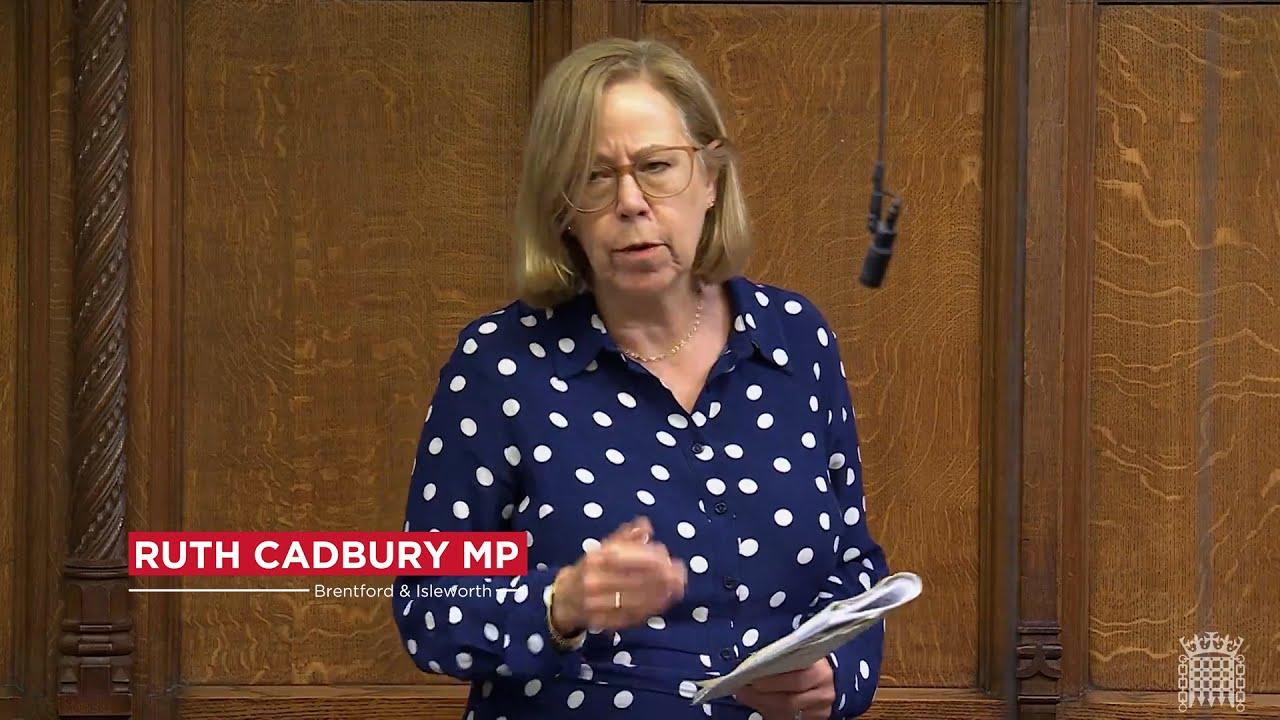
In a recent parliamentary debate, Ruth Cadbury, the Member of Parliament for Brentford & Isleworth, expressed her support for effectively designed Low-Traffic Neighborhoods (LTNs). This discussion was initiated by a petition signed by 200,000 individuals urging the government to reassess LTN policies. On May 20, Cadbury highlighted the longstanding presence of LTNs in her constituency, which have successfully managed local traffic without facing significant opposition. Notable examples include the Chiswick Lane/Beverley Road area in Chiswick, which safeguards Netheravon and Airedale Roads, as well as similar setups on Worple Road in Isleworth and Pears Road in Hounslow.
Cadbury emphasized the benefits of modern camera technology employed by Hounslow Council, which allows vehicles to enter or exit LTN areas without traversing them entirely. This innovation has been instrumental in maintaining the balance between accessibility and traffic reduction. She cited several LTNs implemented during the COVID-19 pandemic using emergency funding and regulations. These include Green Dragon Lane and Occupation Lane in Brentford, the "Teesdales" in Isleworth, Wellesley Road in Chiswick, and the South Chiswick Liveable Neighborhood, known locally as Grove Park and Strand on the Green.
According to Cadbury, these initiatives have successfully achieved their objectives by significantly reducing through traffic, eliminating persistent traffic jams and peak-time congestion, and curbing speeding during off-peak hours. Furthermore, the safer environment fostered by these LTNs has encouraged increased walking and cycling among residents. Cadbury also referenced data indicating a decrease in traffic on boundary roads, underscoring the broader impact of these measures.
However, Cadbury stressed the importance of continued consultation with local communities after implementing LTNs. She advocated for flexibility in modifying these schemes as needed, citing Hounslow's proactive approach in adjusting restrictions and enhancing signage where necessary. This adaptability ensures that LTNs remain effective and responsive to the evolving needs of residents.
Following the debate, Cadbury articulated her vision for residential roads, emphasizing the importance of choice for local residents. She argued that those living on streets frequently used as shortcuts by long-distance drivers should have the option to decide whether their roads should serve as thoroughfares. The alternative, she suggested, is a tranquil and secure environment that everyone can enjoy. With the aid of camera technology, such neighborhoods can maintain accessibility without compromising safety.
The concept of Low-Traffic Neighborhoods is not new, but it has gained renewed attention in recent years as cities grapple with the challenges of urban congestion, pollution, and the need for sustainable transportation solutions. LTNs aim to create safer, more livable communities by reducing the volume of non-local traffic passing through residential areas. This is typically achieved through a combination of physical barriers, traffic calming measures, and advanced technology.
Historically, the implementation of LTNs has been met with mixed reactions. While many residents appreciate the quieter streets and improved safety, others have raised concerns about potential displacement of traffic to surrounding areas and the impact on local businesses. These debates underscore the importance of careful planning and community engagement in the design and execution of LTNs.
In the case of Hounslow, the use of camera technology represents a significant advancement in LTN management. By allowing vehicles to enter and exit LTN areas without passing through, this approach addresses some of the common criticisms associated with traditional LTNs. It also highlights the potential for technology to play a pivotal role in modern urban planning.
The broader implications of LTNs extend beyond traffic management. By promoting walking and cycling, these initiatives contribute to public health by encouraging physical activity and reducing air pollution. They also align with broader environmental goals by decreasing reliance on motor vehicles and supporting the transition to more sustainable modes of transportation.
As cities continue to explore innovative solutions to urban challenges, the experience of Hounslow and other areas with LTNs offers valuable insights. The success of these initiatives hinges on a collaborative approach that involves local communities, government authorities, and technology providers. By prioritizing the needs and preferences of residents, LTNs can serve as a model for creating more livable and sustainable urban environments.
Ruth Cadbury's advocacy for well-designed LTNs reflects a commitment to enhancing the quality of life for residents in her constituency. Through thoughtful planning, community engagement, and the integration of technology, LTNs have the potential to transform urban landscapes and contribute to a more sustainable future. As the debate around LTNs continues, it is essential to consider the diverse perspectives and experiences of those affected to ensure that these initiatives achieve their intended outcomes.
Politics
Ruth Cadbury MP Advocates for Effective Low-Traffic Neighborhoods


Comments (0)
You must be logged in to post comments.
Don't have an account? Register here
No comments yet. Be the first to share your thoughts!