
Streaming vs Cable in 2025.
As technology evolves, families face the choice between streaming services and traditional cable. Each offers unique benefits and challenges, from cost and content variety to accessibility and user experience. Understanding these factors helps families make informed decisions about their entertainment needs in 2025.
The Rise of Streaming Services.
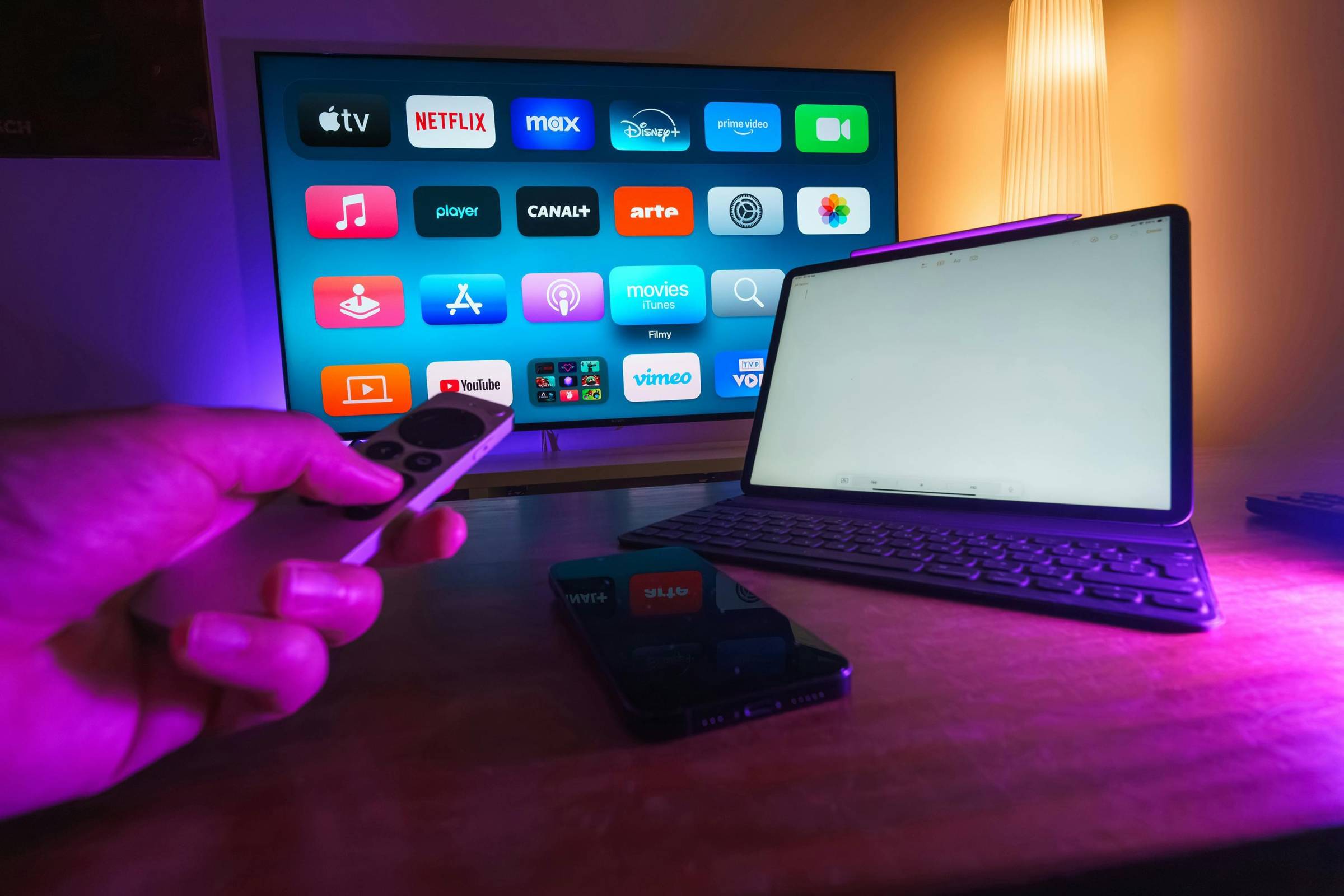
Streaming services have revolutionised how families consume media. With platforms like Netflix, Disney+, and Amazon Prime Video, viewers enjoy a vast library of on-demand content. These services offer flexibility, allowing users to watch what they want, when they want, without being tied to a broadcast schedule. This convenience is particularly appealing to families with diverse viewing preferences and busy schedules.
Moreover, streaming services often provide original content that cannot be found on traditional cable. This exclusivity can be a significant draw for families seeking fresh and innovative programming. Additionally, many streaming platforms offer parental controls, enabling parents to manage what their children can access, ensuring a safe viewing environment.
However, the proliferation of streaming services can lead to subscription fatigue. With each platform requiring a separate subscription, costs can quickly add up, potentially surpassing the expense of a traditional cable package. Families must carefully consider which services best meet their needs to avoid unnecessary spending.
The Enduring Appeal of Cable.
Despite the rise of streaming, cable television remains a staple in many households. Cable offers a comprehensive package of channels, including news, sports, and entertainment, all accessible through a single subscription. This can be particularly advantageous for families who value live programming, such as sports events or breaking news coverage.
Cable providers often bundle services, offering internet and phone packages alongside television. This bundling can result in cost savings and simplified billing for families who prefer an all-in-one solution. Additionally, cable does not rely on internet connectivity for access, making it a reliable option in areas with unstable internet service.
However, cable television has its drawbacks. The lack of flexibility in programming schedules can be inconvenient for families with busy lifestyles. Furthermore, the increasing cost of cable subscriptions has driven some families to explore more affordable alternatives.
Cost Considerations for Families.
When deciding between streaming and cable, cost is a crucial factor for families. Streaming services typically offer lower monthly fees compared to cable subscriptions. However, as more platforms emerge, the cumulative cost of multiple subscriptions can rival or exceed that of cable.
Cable providers often require long-term contracts with cancellation fees, limiting flexibility for families who may wish to switch services. In contrast, streaming services generally offer month-to-month subscriptions without binding contracts, allowing families to adjust their plans as needed.
Families should evaluate their viewing habits and budget constraints to determine which option provides the best value. For some, a combination of both streaming and cable may offer the most comprehensive entertainment experience.
Accessibility and User Experience.
Accessibility is another important consideration for families choosing between streaming and cable. Streaming services are available on various devices, including smartphones, tablets, smart TVs, and computers. This versatility allows family members to watch content on their preferred devices, whether at home or on the go.
Cable television typically requires a set-top box and is limited to the home environment. While this may be suitable for some families, others may find the lack of mobility restrictive.
User experience also plays a role in decision-making. Streaming platforms often feature intuitive interfaces with personalised recommendations based on viewing history. This can enhance the user experience by making it easier to discover new content. Conversely, cable interfaces can be less user-friendly, with complex menus and limited personalisation options.
Making the Right Choice for Your Family.
Ultimately, the decision between streaming and cable depends on a family's specific needs and preferences. Streaming services offer flexibility and a wide array of content but can become costly with multiple subscriptions. Cable provides a reliable source of live programming and bundled services but lacks the convenience of on-demand viewing.
Families should assess their entertainment priorities, budget constraints, and technological capabilities when choosing between these options. By understanding the benefits and limitations of each, families can make informed decisions that best suit their lifestyle in 2025.
Tech
Streaming vs Cable - Choosing the Best for Families in 2025
Streaming vs Cable in 2025. As technology evolves, families face the choice between streaming services and traditional cable. Each offers unique benefits and challenges, from cost and content variety to accessibility and user experience. Understanding these factors helps families make informed decisions about their entertainment needs in 2025. The Rise of...




Comments (0)
You must be logged in to post comments.
Don't have an account? Register here
No comments yet. Be the first to share your thoughts!