
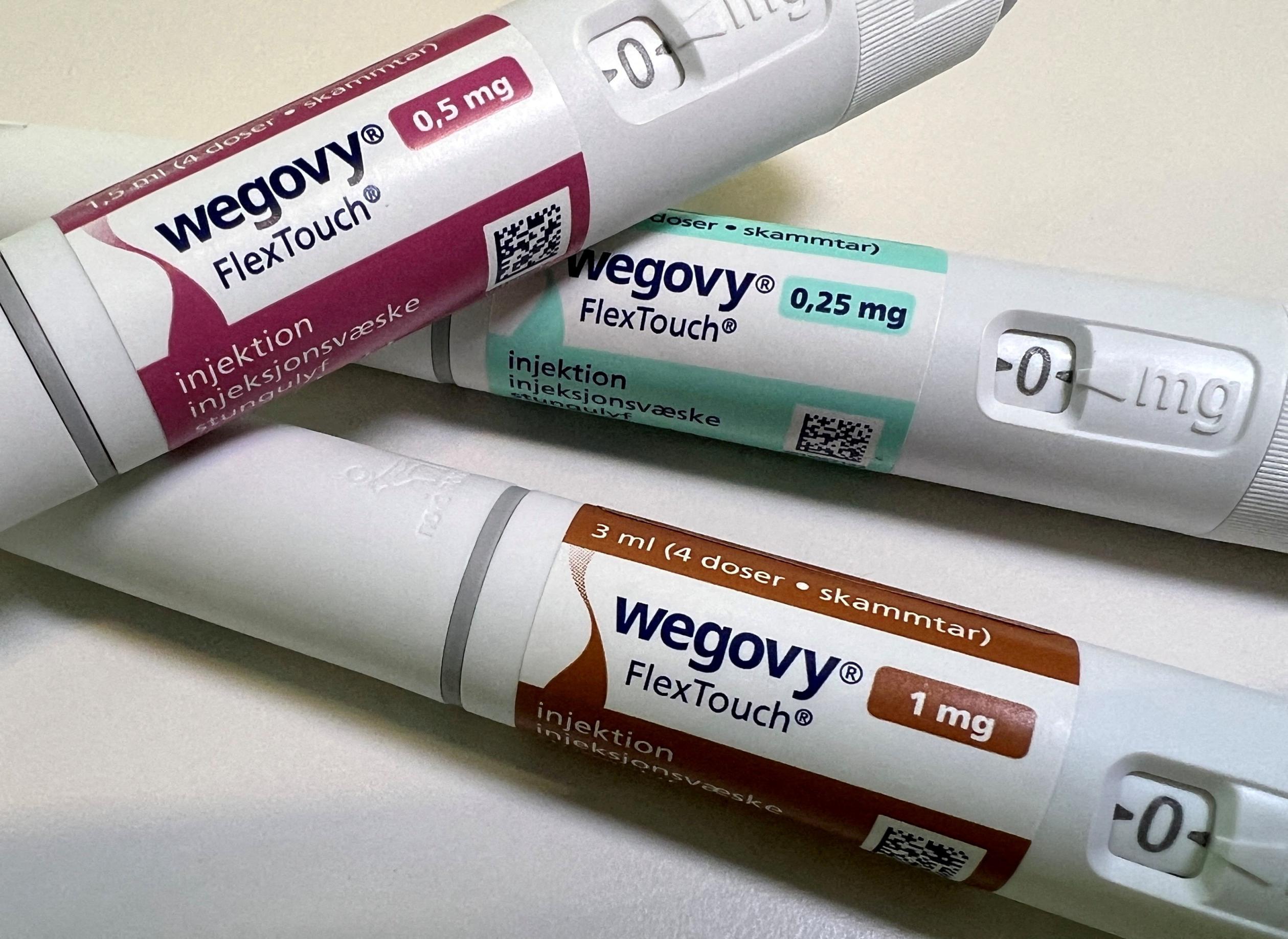
The soaring demand for weight loss medications in the UK is creating significant supply challenges, prompting concerns among pharmacists about the sustainability of current distribution levels.
With over a million users, the popularity of drugs like Wegovy and Mounjaro is surging, potentially leading to shortages and driving individuals to seek unregulated sources, despite associated risks.
The National Pharmacy Association (NPA) has raised alarms over the escalating demand for these medications, suggesting that the supply may soon be unable to meet the needs of the population. This situation could necessitate prioritising the most overweight individuals for treatment, rather than catering to those seeking weight loss for less critical reasons. The NPA's warning comes amid reports that 1.6 million packs of these drugs were purchased in April alone, indicating a significant rise in usage.
Recent polling data reveals that 21% of UK residents have attempted to acquire these medications in the past year, with the figure climbing to 35% among younger adults aged 18 to 34. Furthermore, 41% of respondents across all age groups expressed willingness to use these drugs if they were available for free through the National Health Service (NHS), with interest peaking at 64% among those aged 25 to 34. This data was collected by Savanta, which surveyed 2,002 adults online for the NPA.
Olivier Picard, the chair of the NPA, emphasised the significance of weight loss injections as one of the most notable pharmaceutical advancements of the century. However, he stressed the importance of ensuring that these treatments are appropriately allocated to those who genuinely require them. Picard noted that the polling results indicate a greater interest in weight loss injections than the number of individuals who would benefit from them.
Supply issues have already begun to affect the availability of these medications in certain regions of the UK, particularly for higher doses of Mounjaro. Some pharmacies have experienced restrictions, preventing new patients from accessing the drugs. The Medicines and Healthcare products Regulatory Agency (MHRA), the UK's drug regulatory body, has advised patients to obtain these medications only through a doctor's prescription, warning against purchasing them from beauty salons or online platforms.
A spokesperson from the Department of Health highlighted the government's commitment to expanding access to these "revolutionary" weight loss treatments as part of a broader 10-year health strategy aimed at addressing the obesity crisis. The spokesperson assured that efforts are underway to ensure that those most in need will receive treatment first, in a safe and controlled manner.
In the coming years, approximately 220,000 individuals in England are expected to be offered tirzepatide, a diabetes medication that also aids in weight loss. Pharmacies, which currently dispense around 85% of all weight loss drugs, are anticipated to play a crucial role in the expansion of access to these treatments. Picard urged the government to leverage the extensive expertise and skills of pharmacists to expedite the NHS's weight loss medication programme, ensuring that it reaches millions of patients who are most in need.
The increasing demand for weight loss drugs underscores the broader challenges faced by the UK in tackling obesity, a condition that affects a significant portion of the population. The government's strategy to combat obesity includes not only the distribution of weight loss medications but also initiatives aimed at promoting healthier lifestyles and dietary habits.
Weight loss drugs such as Wegovy and Mounjaro work by mimicking hormones that regulate appetite, helping individuals feel fuller for longer periods and thereby reducing overall food intake. These medications are typically prescribed to individuals with a body mass index (BMI) of 30 or higher, or those with a BMI of 27 or higher who have weight-related health conditions.
The surge in demand for these drugs reflects a growing awareness of the health risks associated with obesity, including heart disease, diabetes, and certain types of cancer. As more people seek effective solutions for weight management, the healthcare system faces the challenge of balancing supply with demand while ensuring that treatments are administered safely and effectively.
In light of these developments, the role of pharmacists is becoming increasingly important. As frontline healthcare providers, pharmacists are well-positioned to offer guidance and support to individuals seeking weight loss treatments. By working closely with other healthcare professionals, pharmacists can help ensure that patients receive the most appropriate care and that the distribution of weight loss medications is managed efficiently.
As the UK continues to grapple with the obesity epidemic, the need for a comprehensive approach to weight management becomes ever more apparent. This includes not only the provision of weight loss drugs but also the promotion of healthy eating, regular physical activity, and other lifestyle changes that can contribute to long-term health and well-being.
Health
Surge in Demand for Weight Loss Drugs Strains UK Supply Chain
The soaring demand for weight loss medications in the UK is creating significant supply challenges, prompting concerns among pharmacists about the sustainability of current distribution levels.




Comments (0)
You must be logged in to post comments.
Don't have an account? Register here
No comments yet. Be the first to share your thoughts!