
The water regulator, Ofwat, has announced a £104 million fine against Thames Water for failing to manage its wastewater treatment facilities effectively, leading to routine sewage discharges into waterways.
This penalty is part of a broader £168 million fine involving Yorkshire Water and Northumbrian Water, highlighting systemic issues in the water industry.
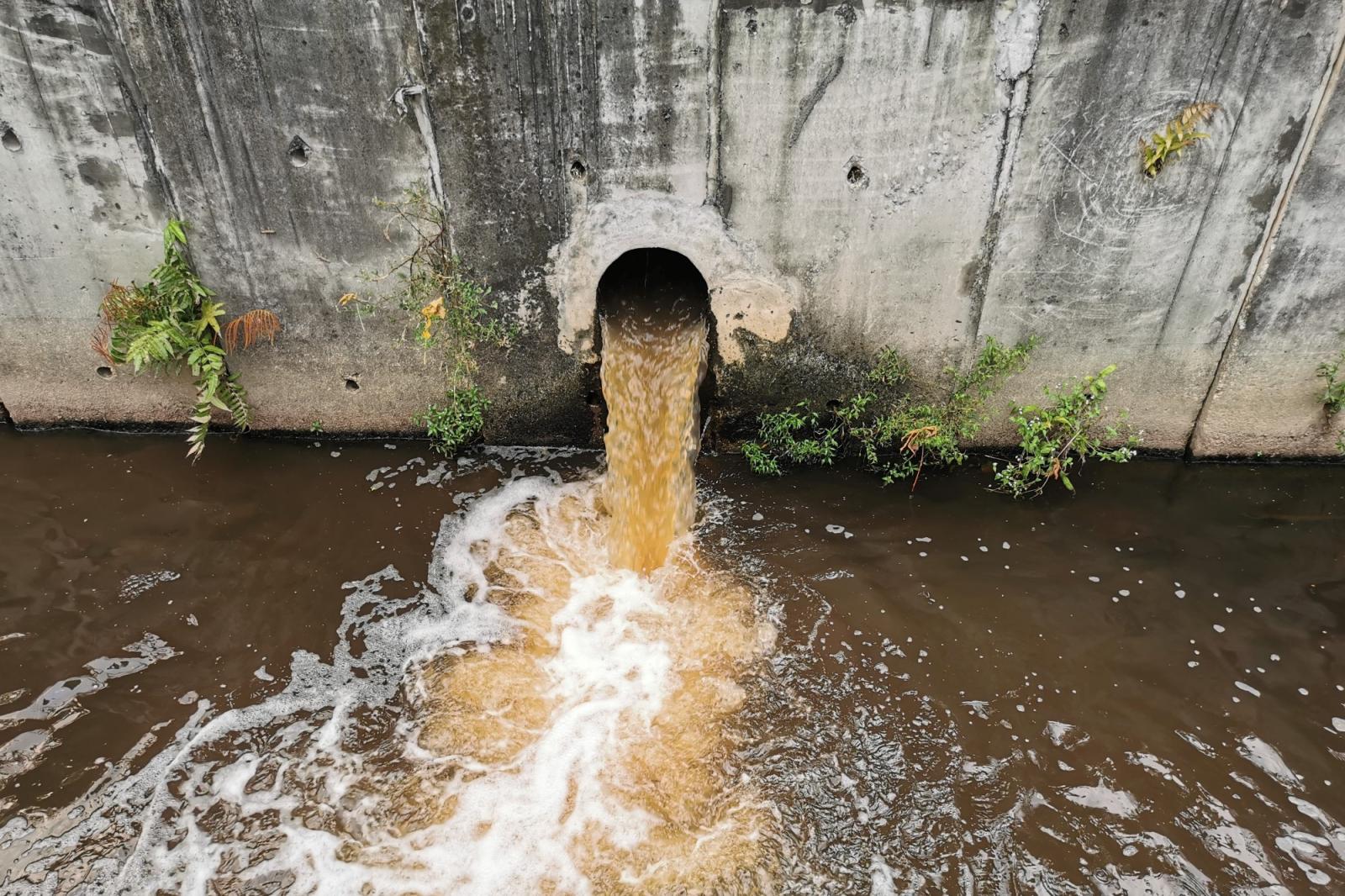
The release of untreated sewage into England's rivers and seas has become alarmingly frequent, doubling over the past year. This situation has arisen because the infrastructure designed to handle excess stormwater and sewage during exceptional weather conditions is now regularly overwhelmed. The water companies have been criticised for not investing adequately in their networks, resulting in these frequent overflows.
David Black, Chief Executive of Ofwat, expressed concern over the findings, stating that the investigation revealed a "catalogue of failure" by the three companies. He emphasised that the companies have been releasing sewage into natural water bodies routinely, contrary to legal expectations that such actions should only occur under exceptional circumstances.
The proposed fines are part of a larger effort by Ofwat to enforce compliance with legal and regulatory obligations. The regulatory body is also considering enforcement orders to compel the companies to address the identified issues. These orders aim to ensure that the companies take necessary steps to prevent future occurrences of such environmental breaches.
Ofwat has assured the public that the penalties will not be passed on to customers. The regulator is committed to ensuring that customers do not bear the financial burden of the fines or any additional maintenance costs required to rectify the issues.
The water companies have been advocating for significant increases in customer bills to fund improvements in water infrastructure. Thames Water, in particular, has proposed a substantial increase of £191 over the next five years. This proposal has sparked debate, as customers are concerned about the financial impact, especially given the current economic climate.
The issue of sewage spills is not new, but the frequency and scale of the problem have raised alarms among environmentalists and the public. The environmental impact of these spills is significant, affecting aquatic life and posing health risks to humans. The spills contribute to the degradation of water quality, affecting ecosystems and biodiversity.
The fines and enforcement actions by Ofwat are seen as a necessary step to hold the water companies accountable and to push for improvements in infrastructure and management practices. The regulator's actions are part of a broader strategy to ensure that water companies meet their obligations to protect the environment and public health.
The situation has also brought attention to the need for more robust infrastructure to handle the increasing challenges posed by climate change. With more frequent and intense weather events, the pressure on existing water management systems is likely to increase. This underscores the importance of investing in resilient infrastructure that can adapt to changing conditions.
The water companies have acknowledged the need for improvements and have outlined plans to upgrade their facilities. However, the scale of the required investments is substantial, and the companies face the challenge of balancing these needs with financial constraints and customer expectations.
The regulatory actions by Ofwat are expected to drive significant changes in the water industry. The fines and enforcement orders serve as a warning to other companies about the consequences of failing to meet regulatory standards. They also highlight the importance of transparency and accountability in the management of public resources.
As the situation unfolds, stakeholders, including government agencies, environmental groups, and the public, will be closely monitoring the actions of the water companies. The outcome of this regulatory intervention will have implications for the future of water management in the UK and could set a precedent for how similar issues are addressed in other sectors.
Health
Thames Water Faces £104m Fine for Sewage Mismanagement
The water regulator, Ofwat, has announced a £104 million fine against Thames Water for failing to manage its wastewater treatment facilities effectively, leading to routine sewage discharges into waterways.





Comments (0)
You must be logged in to post comments.
Don't have an account? Register here
No comments yet. Be the first to share your thoughts!